The High-Speed Evolution of Battery Replenishment
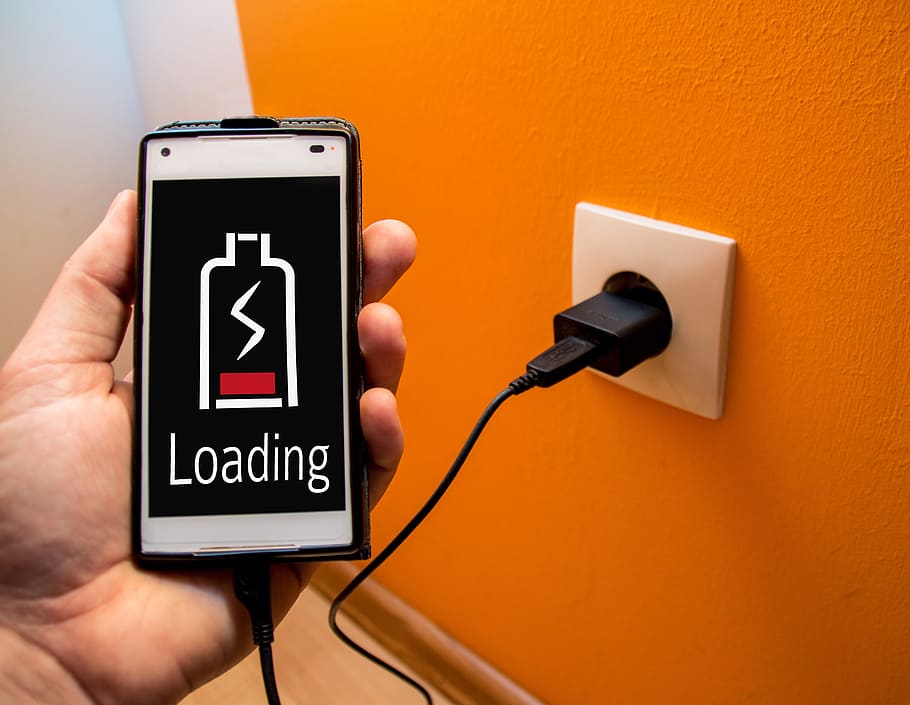
The modern mobile device places an immense strain on its power source due to high-resolution displays, intensive processing power, and constant connectivity. This strain makes battery life a perpetual concern for every user across the globe. In response to this daily anxiety, fast charging technology has rapidly become one of the most advertised and sought-after features in consumer electronics. This technology promises to replenish hours of usage capacity in mere minutes.
This revolutionary capability relies on sophisticated power delivery protocols and intelligent battery management systems. These systems allow electrical current to be safely pushed into the battery cell at elevated rates far exceeding the old standard 5W chargers. However, the complexity of this technology has given rise to a vast array of myths and misconceptions among the public. These rumors concern its safety, efficiency, and long-term effects on device health.
Understanding the true engineering behind this speed is crucial to separating fact from fiction. This involves knowing how voltage, current, and temperature are dynamically managed within the system. This comprehensive guide will meticulously dismantle the most common rumors and clarify the actual science of rapid power transfer. It ensures consumers can utilize this indispensable modern feature with full confidence and knowledge.
The Core Science of Rapid Power Transfer
To fully understand how fast charging works and its eventual impact, one must first grasp the basic scientific principles. This includes understanding lithium-ion battery technology and the dynamics of electrical power flow. The process is far more controlled than simple rapid energy dumping.
The Fundamentals: Voltage, Current, and Power
The speed of charging is fundamentally dictated by three core electrical components. These are voltage, current, and total power delivered. Power, which is measured in watts, is mathematically the product of voltage and current.
Voltage represents the electrical potential difference, which can be thought of as the pressure pushing the charge forward. Current represents the flow rate of the charge, indicating the volume of electricity moving through the cable over time. Power (Watts) is the total useful energy delivered, which is calculated by the simple formula P = V x I (Power equals Voltage times Current).
The Charging Curve: A Three-Phase Process
Fast charging is never a single, constant speed throughout the entire cycle. It is instead a meticulously controlled, three-phase process. This process is strategically designed to maximize speed while consistently protecting the battery’s sensitive chemistry.
The Constant Current (CC) Phase is the fastest part of the process. Here, the battery rapidly accepts a high current and high wattage to quickly reach about 50% to 80% of its total capacity. As the voltage begins to rise and the battery nears its full capacity, the system switches to the Constant Voltage (CV) Phase. In this stage, it maintains a steady, higher voltage while reducing the current to safely top off the remaining capacity. Finally, in the Trickle Charge Phase, the system delivers a very low, minimal current. This precisely reaches the 100% mark without inducing any stress or danger of overcharging the battery cells.
Thermal Management: The Safety Prerequisite
Heat is the single greatest and most persistent enemy of battery longevity and health. Fast charging inherently generates more heat than slow charging due to the necessary high current flow. For this reason, effective thermal management is an absolutely paramount requirement for both safety and long-term battery health.
Modern fast charging systems incorporate multiple temperature sensors strategically placed within the phone’s circuitry and the battery pack itself. These sensors continuously monitor heat levels in real time. If the temperature is detected to exceed a safe, predetermined threshold (typically around 45 degrees Celsius), the device’s charging rate is automatically and dramatically reduced. Advanced designs even move the control circuitry from inside the phone to the charger brick. This clever engineering choice further reduces heat generation inside the device during the demanding high-current phase.
Myth vs. Reality: Debunking Common Beliefs
The rapid popularity and adoption of fast charging has unfortunately led to the widespread circulation of misinformation. It is essential for responsible device owners to clearly separate the myths from the established technical realities. Failing to do so can lead to unnecessary fear and suboptimal usage habits.
Myth: Fast Charging Damages Your Battery Quickly
This persistent idea is the most pervasive and arguably the most harmful misconception, often leading users to unnecessarily avoid using their fast chargers entirely. The truth is that the phone’s intelligent battery management system (BMS) controls the entire process. The device actively communicates with the charger to precisely draw only the power it can safely handle at any given moment.
Battery degradation, which is the inevitable loss of capacity over time, is a natural chemical process. This degradation is primarily driven by the overall cycle count (the number of times the battery is fully drained and replenished) and prolonged high temperature exposure. Because fast charging only occurs in the initial low-state-of-charge window (the first 50%), the battery actually spends less total time at a high temperature compared to sustaining a slow, prolonged charge for many hours.
Myth: You Must Only Use the Official Charger
Many users genuinely fear that using any third-party charger will inevitably damage or “fry” their device due to incompatible speed or unexpected wattage delivery. The reality is that modern charging is universally governed by standardized, open protocols. These protocols include widely accepted systems like USB Power Delivery (USB-PD) and Quick Charge (QC).
Any certified third-party charger that correctly supports the same official protocol is therefore perfectly safe to use with the device. The device autonomously negotiates the precise power level it needs. If a charger offers significantly more power than the device supports (e.g., a 100W charger on a 30W phone), the phone will simply draw the maximum 30W it can safely handle, ignoring the extra capacity. The true danger lies in using a non-certified, poorly manufactured charger. These cheap alternatives often lack proper voltage stabilization or temperature regulation safeguards.
Myth: Charging Overnight Kills Your Battery
This is a lingering myth, a historical remnant from older battery chemistries that predated modern lithium-ion cells. It suggests that keeping a battery plugged in after reaching 100% causes perpetual stress and damage. In reality, modern smartphones are designed to automatically cease the charging process once they reach 100% capacity. The phone only draws a minimal amount of “maintenance” power again when the charge level naturally drops slightly below full (e.g., to 99%).
Many manufacturers today include clever “Optimized Charging” features built into the operating system. These features learn the user’s habitual sleep schedule. They then deliberately pause the battery’s charge at 80% capacity, only completing the final, stressful 20% just before the user typically wakes up. This intelligent management successfully minimizes the total time the battery spends at a full 100% charge, which is chemically the most stressful state for the longevity of the cells.
Protocols and Standards: The Language of Power
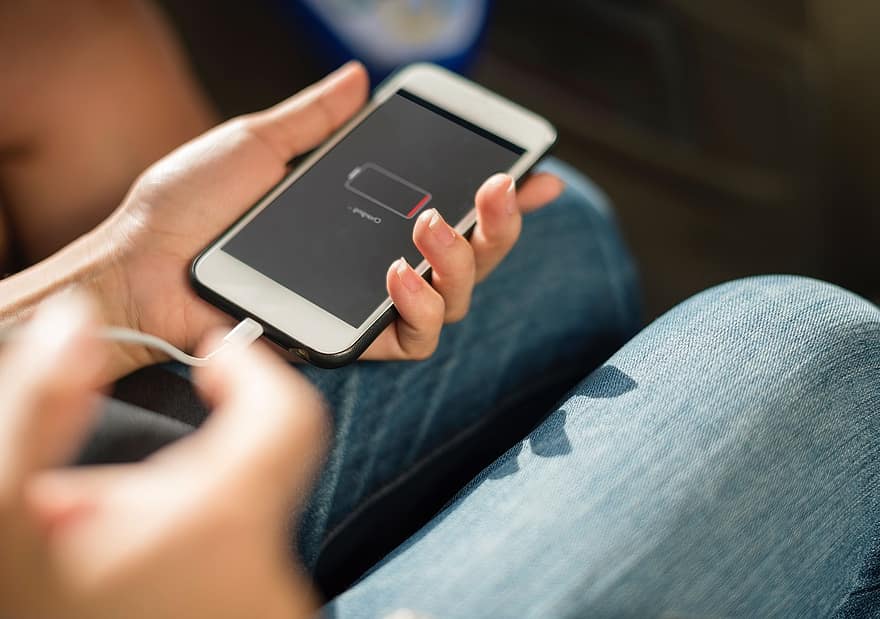
The high-speed charging ecosystem is complex primarily because different companies initially developed their own proprietary standards. However, the industry is now moving toward greater standardization. This unified approach is currently being led primarily by the widely adopted USB Power Delivery standard.
USB Power Delivery (USB-PD)
USB-PD is the current industry-leading, open standard protocol that is designed to unify charging capabilities across a vast range of devices. This includes everything from tiny earbuds to large, power-hungry laptops. USB-PD utilizes the universal, reversible USB-C connector. It is technically capable of negotiating power delivery up to 240W, though most common consumer phones utilize between 30W and 65W.
The protocol allows the source (the charger) and the sink (the phone) to communicate dynamically. They precisely adjust voltage and current in small steps to constantly optimize the fast charging curve. PPS (Programmable Power Supply) is an advanced, highly desirable feature within the USB-PD standard. PPS allows for incredibly fine-tuned, real-time adjustments to voltage and current, which effectively minimizes energy conversion loss and reduces heat generation.
Proprietary Standards (VOOC, SuperCharge, etc.)
Before the rise of the unified USB-PD standard, some manufacturers developed their own high-speed protocols. This was done to push the absolute limits of charging speed. These proprietary systems often achieved their remarkably high speeds by utilizing a higher current at a lower voltage (for example, 5V/10A). This particular method requires the use of specialized, thicker cables and specific proprietary wall bricks.
Key examples of these proprietary systems include SuperVOOC (developed by OPPO/OnePlus) and SuperCharge (developed by Huawei). Their primary technical advantage often lies in minimizing the high-voltage conversion heat inside the phone itself. While these proprietary systems are undeniably fast, they require that all components—the phone, the cable, and the charger—are perfectly compatible with that specific, unique standard.
The Myth of Cable Interchangeability
It is crucial to understand that not all USB cables are created equal, especially within the world of high-speed, high-wattage charging. The cable itself plays a truly crucial and often overlooked role in both safety and overall performance. A cable specifically designed for high current fast charging must physically contain thicker gauge wires. This necessity minimizes electrical resistance and actively prevents excessive, dangerous heat generation within the cable itself.
For very high-speed charging applications, particularly those above 60W, the cable must include a small e-marker chip. This tiny chip is responsible for communicating its power capabilities, including maximum voltage and current limits, to both the charger and the device. This ensures a safe, non-destructive connection is established. Using a cheap, thin cable for high-wattage charging will inevitably lead to significant energy loss that manifests as heat. This dramatically slows the charging process and concurrently poses a serious safety risk.
Best Practices for Battery Longevity
While all modern fast charging systems are inherently safe, adopting a few smart usage habits can further extend the chemical lifespan and maximize the health of your device’s battery over a period of several years. Small changes in habit yield long-term gains.
The Ideal Charge Range (The 20-80 Rule)
To minimize unnecessary chemical stress, lithium-ion batteries prefer to consistently operate in the midrange of their capacity. They generally prefer to avoid the chemical extremes of being completely empty (0%) and completely full (100%). The most chemically stressful states for any battery are when it is near empty (typically below 20%) and when it is completely full (at or above 80%).
Keeping your battery level consistently within the highly efficient 20% to 80% range is made very easy due to the speed of modern fast charging. Maintaining this midrange maximizes the total number of life cycles the battery can sustain before experiencing significant capacity loss. While it may be impractical to perfectly maintain this range in daily life, minimizing the overall time spent at these two chemical extremes remains the best thing a user can do for battery longevity.
The Danger of Simultaneous Charging and Heavy Use
The dangerous combination of drawing high current (from demanding apps or intense gaming) while simultaneously receiving high current (from fast charging) generates substantial, harmful amounts of heat. When a phone is simultaneously charging quickly and running an intensive application, the internal temperature can easily and quickly spike well above the critical 45 degrees Celsius threshold. This excessive and sustained heat is scientifically proven to be the primary catalyst for rapid, irreversible battery degradation over time.
For this critical reason, it is highly recommended that users pause demanding activities such as continuous gaming, processor-intensive photo editing, or 4K video rendering while their device is actively undergoing a fast charge. Allowing the phone to cool down during the high-speed charging period is crucial.
Utilizing Smart Charging Features
Most modern smartphones include highly intelligent software features that are specifically designed to passively mitigate the minor stresses associated with high-speed charging. Users should always ensure they enable the manufacturer’s Optimized Charging feature. This feature intelligently manages the overnight charging pace based on established usage habits.
It is also beneficial to utilize Power Saving Mode features during the day. These modes often restrict non-essential background activity and, crucially, can limit the phone’s maximum charging temperature threshold. These sophisticated software controls work silently and automatically in the background. They provide a layer of passive protection without requiring constant, vigilant user input.
The immense convenience and absolute necessity of fast charging far outweigh any minor, often-misunderstood risks associated with its use. By simply using certified accessories and maintaining a few basic awareness rules regarding excessive heat and the optimal 20-80 range, users can confidently leverage this indispensable speed without compromising their device’s long-term health.
Conclusion: Mastering the Charging Dynamics

The widespread adoption of fast charging technology represents a pivotal and necessary achievement in consumer electronics, effectively alleviating the pervasive anxiety of low battery life. This impressive charging speed is not achieved through recklessness but through highly sophisticated battery management systems that precisely regulate voltage, current, and internal temperature.
The notion that fast charging inherently causes rapid battery degradation is largely a myth, as modern protocols are strategically designed to aggressively maximize speed only in the initial, safest charging window. Users should confidently utilize certified charging accessories that fully comply with open industry standards like USB Power Delivery, dismissing the unfounded fear of using non-proprietary wall adapters.
The key to maintaining a lithium-ion battery’s long-term chemical health is rigorous thermal management and consistently maintaining the charge within the optimal midrange capacity. Intelligent software features, such as optimized overnight charging, provide a reliable layer of passive protection against the minor stresses of sustained 100% charge levels. Ultimately, understanding the dynamic three-phase charging curve empowers users to leverage this necessary speed without making unnecessary sacrifices to their device’s longevity.