

The Evolution of Conversational Technology
The modern voice assistant has evolved significantly beyond the simple, command-and-response utility of its early days. This evolution has fundamentally reshaped how humans interact with technology and how they manage their daily lives. What began as a novelty feature on basic smartphones has rapidly become the central hub for home automation, information retrieval, and personalized support.
These assistants are now seamlessly integrated into smart speakers, smart displays, automobiles, and even wearable devices. These advanced systems now leverage highly sophisticated Artificial Intelligence (AI) and Natural Language Processing (NLP) to successfully understand complex, context-dependent requests. They can accurately recognize individual voices and even detect subtle emotional nuances in speech patterns.
This cognitive leap allows voice assistants to manage complex, multi-step routines and engage in fluid follow-up conversations. They can also proactively offer relevant helpful information. This transforms what were once passive devices into active, indispensable digital partners. However, navigating the landscape of privacy concerns, platform compatibility, and advanced feature sets requires users to deeply understand the deeper technological capabilities that lie beneath the surface. This comprehensive guide will explore the precise mechanisms that enable voice assistants to move successfully past basic commands and detail the most advanced, practical applications of this conversational intelligence in the modern connected world.
The Core Technology: How They Understand Us
Moving significantly beyond simple, fixed keyword recognition, modern voice assistants rely on a complex, multi-stage process involving highly specialized AI. This AI is necessary to accurately comprehend and effectively respond to natural human speech patterns. Understanding this intricate process is essential to demystifying their apparent intelligence.
Automatic Speech Recognition (ASR)
The initial and critical phase of any voice interaction is Automatic Speech Recognition (ASSR). This is the precise process by which all spoken words are accurately converted into digital, machine-readable text data. ASR fundamentally involves meticulously recognizing the complex acoustic patterns of speech sounds. It then accurately matches those patterns to an extensive vocabulary database, all after the device successfully detects its specific wake word.
This intricate process must successfully account for many real-world variables. These include differing user accents, constant background noise, varying speech speeds, and emotional inflections present in the user’s voice. Advanced ASR systems utilize powerful deep neural networks. These networks are trained on vast amounts of diverse language data to achieve exceptionally high accuracy, even when operating in challenging auditory environments.
Natural Language Processing (NLP)
Once the spoken speech is successfully transcribed into digital text, the system then utilizes Natural Language Processing (NLP). NLP is used to accurately understand the intended meaning and the specific context of the user’s complex command. NLP generally involves two primary, interconnected steps: Natural Language Understanding (NLU) and Natural Language Generation (NLG). NLU meticulously breaks down the sentence structure, grammar, and syntax.
NLU then successfully extracts the specific intent (e.g., “play music,” “set alarm,” or “get weather”) and the necessary entities (e.g., “jazz music,” “seven o’clock,” or “tomorrow in Paris”) from the input text. This deep analytical process is what allows the assistant to accurately understand commands that are phrased ambiguously or conversationally. It avoids waiting only for rigid, pre-set, fixed commands to be spoken.
Contextual Awareness and Personalization
Advanced voice assistants possess the vital ability to actively maintain a memory of the current conversation thread. They can also accurately recognize exactly who is speaking to them. This collective ability enables highly fluid, multi-step interactions and ensures robust personalized services. Contextual awareness is what allows the assistant to successfully handle follow-up questions without needing the user to repeat the original topic. For instance, the user can ask, “What about tomorrow?” immediately after asking for today’s current weather forecast.
Voice identification systems can accurately recognize different individual users within the home environment. This critical feature allows them to personalize all responses, such as accessing the correct user’s calendar, playing specific, preferred music choices, or delivering personalized news briefings. This high level of personalization ensures the interaction feels significantly more natural, intelligent, and precisely tailored to the individual user’s specific needs and previous interactions with the device.
Home Automation: The Central Controller
Voice assistants currently serve as the intuitive, hands-free central nervous system for the contemporary smart home. They allow users to completely control dozens of diverse devices and complex routines using only spoken commands. This fundamental ability for hands-free control greatly simplifies the complexity of daily automation.
Grouping and Cross-Device Routines
Integration within the system allows a single, simple voice command to instantly trigger a cascade of necessary actions. These actions often involve multiple different devices, significantly enhancing overall home efficiency and daily convenience. Users can easily create custom Routines (sometimes called Scenes) that logically group several commands together. For example, simply saying, “Goodnight,” can automatically lock all the doors, set the alarm system, turn off all interior lights, and precisely adjust the thermostat.
This efficient cross-device automation requires the assistant to communicate effectively with different, diverse protocol hubs (like Zigbee and Z-Wave). It also requires communication with various cloud-based services simultaneously. The assistant intelligently manages the entire sequencing and precise timing of all these actions. This ensures that the entire complex, multi-step process executes smoothly and reliably every single time the command is invoked.
Proactive and Sensory-Based Automation
Moving far beyond simple direct user commands, the most advanced voice assistants can proactively initiate actions based entirely on sensory input data. This allows them to anticipate user needs without being directly or explicitly asked. The assistant can seamlessly link to motion or door sensors to initiate automated responses. A useful example is: “If the back door opens, immediately announce ‘Back Door Opened’ and turn on the kitchen light.”
Voice assistants can also effectively use geofencing (location awareness) technology. This triggers specific routines based on the user’s smartphone leaving or successfully arriving home. This automatically sets the home climate control or the security system accordingly, based on presence. This powerful proactive capability completely transforms the assistant from being a simple tool into a highly intelligent home manager. It begins making smart decisions based on real-time environmental data and user location.
Device Troubleshooting and Monitoring
Voice assistants are increasingly being utilized as quick diagnostic tools for remote monitoring of the status of connected smart home devices and critical systems. Users can effortlessly ask for immediate status updates. Examples include: “Is the security system currently armed?” or “What is the temperature set to in the basement right now?”
Some sophisticated assistants can successfully flag potential performance issues. They might report a specific smart bulb that has gone offline or notify the user that the robotic vacuum cleaner has successfully finished its programmed cleaning cycle. This crucial diagnostic capability provides immediate, useful, real-time feedback. It drastically reduces the annoying need to constantly manually check the status of various devices using numerous individual apps.
Information Retrieval and Education
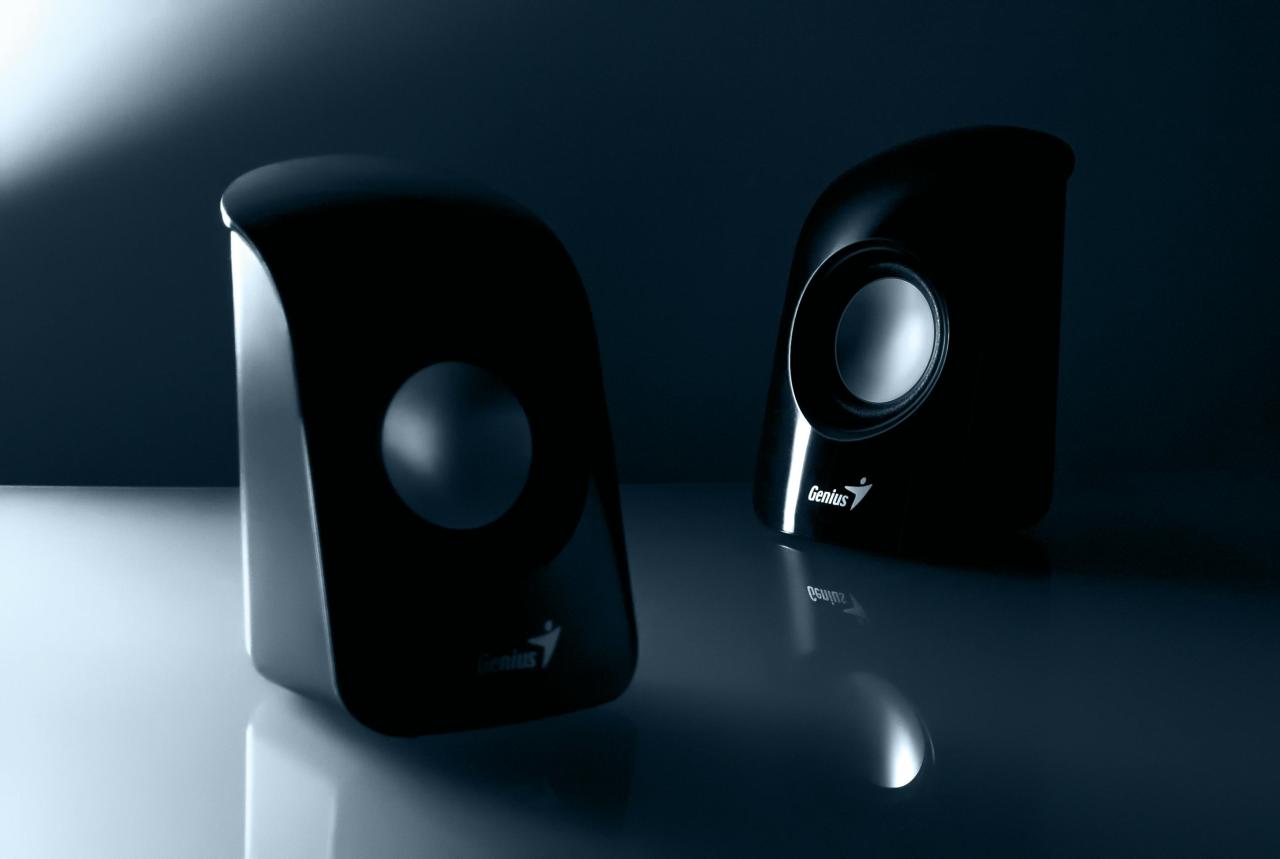
The fundamental ability of voice assistants to quickly access, accurately synthesize, and effectively deliver information from the vast internet is their most essential utility. This capability is rapidly moving far beyond simple, basic search queries. They are fundamentally transforming how users access and utilize information.
Synthesis of Complex Information
Voice assistants are highly skilled at efficiently pulling relevant data from various web sources. They then synthesize this data into a concise, easily understandable spoken answer, rather than simply listing out numerous search results. Instead of receiving a long list of external links, the user receives a direct, verbal answer. This might be a clear definition, a step-by-step instruction set, or a summarized news briefing on a specific topic.
This rapid synthesis is particularly useful for tasks that require immediate, real-time data access. These include querying current stock prices, checking live flight statuses, or looking up complex nutritional information instantly. The assistant is continuously learning and actively refining its ability to accurately distinguish between established factual information, subjective opinions, and irrelevant data found across the web.
Contextualized Learning and Skills
The rapid proliferation of “Skills” (Amazon Alexa) or “Actions” (Google Assistant) has successfully created a powerful ecosystem for third-party developers worldwide. This greatly extends the assistant’s core capabilities into numerous specialized domains. These specialized applications allow the assistant to provide highly tailored educational content, complex interactive games, or advanced financial tracking interfaces.
A user can verbally invoke a specific skill, such as a foreign language tutor. The assistant will then reliably guide them through personalized, hands-on learning exercises. The critical ability to add and actively manage these focused, user-specific skills makes the assistant a highly customizable platform. This platform successfully adapts to a user’s unique hobbies, professional needs, and educational requirements seamlessly.
Multi-Lingual and Translation Capabilities
Modern voice assistants often possess official support for dozens of different global languages. They also incorporate powerful, immediate real-time translation features. This collective capability successfully breaks down communication barriers both within the home and during international travel. Some sophisticated devices can successfully function in a bilingual mode. This allows users to seamlessly switch between two languages in the middle of a command or conversation without needing to manually change any settings.
Their integrated real-time translation feature is invaluable for conversations involving non-native speakers. The device listens in one source language and then speaks the translation instantly in the target language. This impressive linguistic capability quickly turns the assistant into a universal communication tool. It makes foreign language practice or international business conversations much more accessible for the average user.
Security, Privacy, and Ethical Considerations
The constant necessary listening and perpetual cloud connectivity required for full functionality of voice assistants raise significant, valid questions about user privacy, data security, and the ethical responsibility of the companies involved. Maintaining user trust is absolutely essential for continued widespread adoption.
Data Security and Encryption
Protecting the sensitive voice and personal data that is collected by these devices is of paramount importance. Reputable manufacturers employ stringent, high-level security measures to ensure maximum user trust. All data transmission that occurs between the physical device, the remote cloud servers, and the user’s smartphone app must be protected using high-level AES 256-bit encryption protocols.
The core data processing is generally performed within the secure cloud environment. This setup requires robust server security and stringent protocols to actively prevent unauthorized access or large-scale data breaches. Users should always ensure their home Wi-Fi network is strongly secured with a complex password. They must also ensure that the device’s specific firmware is kept fully up-to-date with the latest critical security patches.
Privacy Controls and Voice Snippet Management
Users must be guaranteed granular control over all of their collected voice data. This includes the fundamental ability to review, delete, or completely prevent the storage of recorded interactions. Most major platforms now explicitly allow users to review and delete voice recordings that are stored on the cloud servers. This offers essential transparency over the collected personal data.
Physical mute buttons on all smart speakers are a critical feature. They electronically disconnect the microphone, ensuring the device cannot successfully hear or record the surrounding environment when maximum privacy is explicitly required. Users can often freely choose to opt out of having their voice snippets used to train the underlying AI models. This crucial control places the power over personal data back firmly in the hands of the individual user.
Proactive Ethical Guidelines and Accuracy
As the internal intelligence of these complex systems continues to rapidly grow, manufacturers assume a necessary responsibility to implement clear, proactive ethical guidelines. These guidelines must govern all responses and tirelessly ensure the accuracy of all information provided. Voice assistants must be programmed and trained to actively avoid harmful or discriminatory language. They must also refuse inappropriate requests that violate established safety or ethical standards.
The accuracy of any health, financial, and safety information provided by the assistant is absolutely critical. This requires continuous verification against reliable, authoritative sources. Developers must continually work diligently to reduce inherent bias in the core AI models that underpin all the voice recognition and language processing capabilities.
The voice assistant has successfully secured its permanent role as the primary, preferred interface for the modern digital home. By fully understanding its advanced ASR, NLP, and sophisticated contextual awareness, users can successfully leverage its immense capabilities for powerful automation, instant information retrieval, and highly personalized interaction. This moves the experience far beyond basic, manual control.
Conclusion: Conversational Intelligence for Daily Life
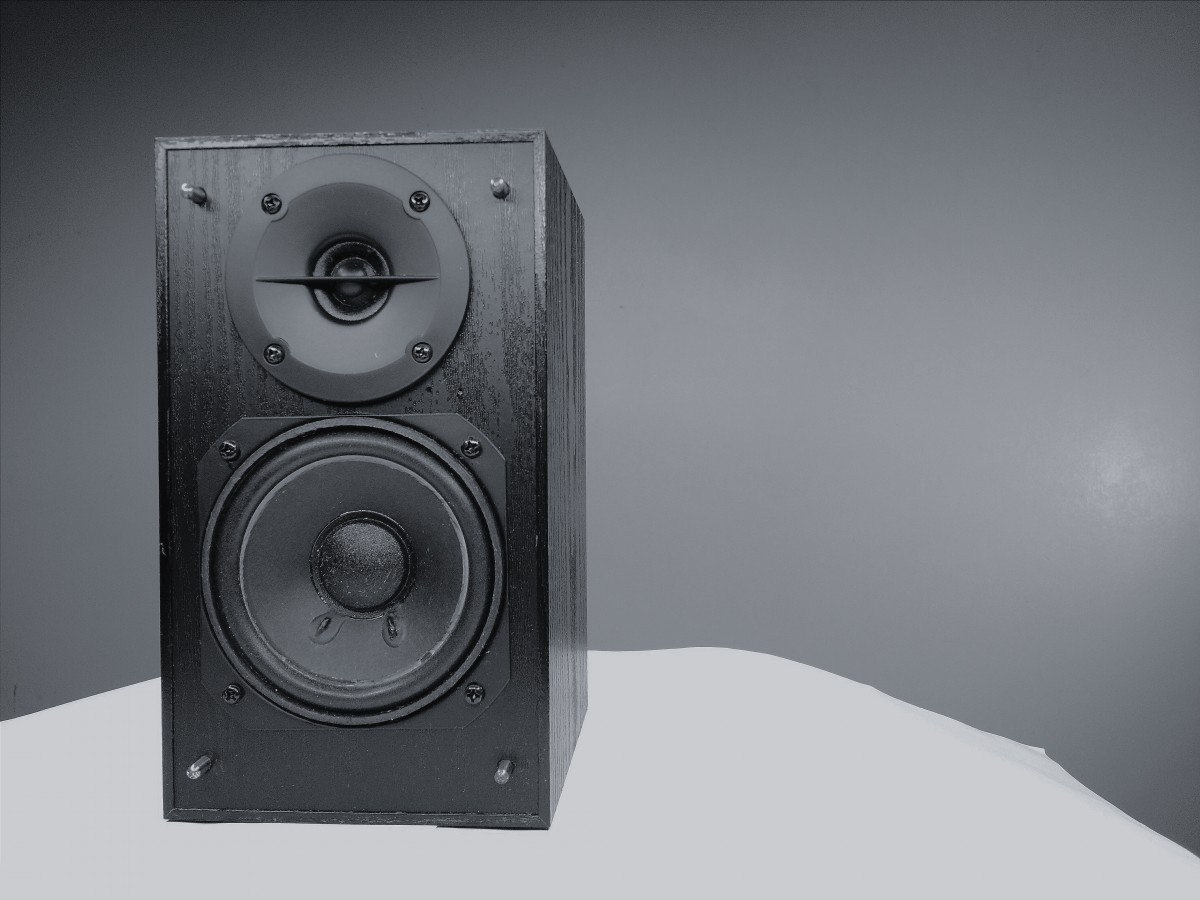
The journey of the voice assistant from a simple command-and-control tool to an intelligent, conversational partner is a testament to rapid advancements in Artificial Intelligence. This sophisticated evolution is fueled by powerful Automatic Speech Recognition, which meticulously converts complex audio into accurate digital text. The resulting text is then immediately processed by sophisticated Natural Language Processing, allowing the system to comprehend context and accurately extract user intent from natural, ambiguous speech.
Furthermore, the integration of contextual awareness and personalized voice identification ensures that interactions remain fluid, relevant, and tailored to the individual user’s specific history and needs. As the central nervous system of the smart home, the assistant orchestrates complex routines, seamlessly linking disparate devices with a simple spoken command. Beyond mere utility, the assistant offers crucial proactive services, such as sensor-based automation and synthesis of complex information from vast web resources. Ultimately, the future success of these intelligent interfaces rests on upholding stringent standards for user privacy, ensuring robust data encryption, and committing to clear, proactive ethical guidelines.