Choosing the Wrist: Tech for Health and Life
The wearable technology market has exploded into a complex, multi-layered ecosystem in recent years. This expansion presents consumers with two distinct and highly popular categories for devices worn on the wrist. These two categories are the specialized fitness tracker band and the more generalized, feature-rich smartwatch.
While both types of devices share the fundamental core purpose of existing on the user’s wrist and tracking daily activity, the philosophical and practical differences between them are substantial. These differences guide users toward very different levels of functionality, connectivity, and, crucially, overall price. For the average consumer looking to take their first step into health monitoring, the initial choice can be genuinely confusing and overwhelming.
This confusion often leads to either overspending on unnecessary features or, conversely, selecting a basic device that quickly proves inadequate for evolving needs. Understanding the essential trade-offs in design, critical battery life, complex sensor capability, and integrated software is absolutely vital. This foundational understanding is necessary to make an informed decision that will stand the test of time and successfully support long-term wellness goals.
This comprehensive guide will meticulously dissect the specific strengths and weaknesses of each category. It will detail the core functionalities that strictly define them and provide a clear framework for decision-making. We will help you identify which device type—the focused band or the versatile watch—offers the superior value for your unique health and digital demands.
Design and Ergonomics: Form and Function
The physical design and overall ergonomics of a wearable device significantly impact how often it is worn by the user. This wearing consistency directly affects the continuity and quality of the vital data collected for the user’s health analysis.
Fitness Bands: Light, Discreet, and Durable
Fitness bands are universally designed with an intentional, strong focus on extreme lightness, a minimal profile, and high durability. This intentional design makes them the ideal choice for continuous, genuinely unobtrusive wear throughout the day and night. Bands typically feature a narrow form factor and a very small, often basic screen or a simplified text-only display. This rigorous minimalist approach ensures that they do not unnecessarily interfere with vigorous exercise or comfortable sleep.
Due to their extremely lightweight plastic and soft silicone construction, bands are inherently much more comfortable for continuous wear. This includes wearing them while monitoring sleep, which is absolutely essential for collecting accurate long-term sleep tracking data. The simpler design and tightly sealed casings of dedicated fitness bands typically result in superior water and sweat resistance. This makes them highly resilient to the rigors of intense, daily physical activity and harsh, wet environments.
Smartwatches: Larger, Feature-Rich, and Stylish
Smartwatches fundamentally prioritize a significantly larger display, more powerful internal processing capacity, and a high-end, customizable aesthetic. They are designed to closely mimic traditional, premium wristwatches for a fashionable look. Smartwatches feature bright, high-resolution AMOLED or OLED screens. These vibrant, detailed screens are absolutely necessary for clearly displaying detailed notifications, maps, complex apps, and intricate watch faces.
These devices often offer premium case materials like heavy stainless steel or durable titanium. They also support a vast ecosystem of swappable, often standard-sized straps. This extensive customization allows for a seamless transition between gym wear and formal evening attire. The larger screen size, the powerful internal battery, and the complex internal components necessarily result in a bulkier, heavier device. This increased physical size can sometimes unintentionally interfere with comfortable sleep or specific types of intense physical activities.
Battery Life: Longevity Versus Power Demands

Battery life is a primary and non-negotiable differentiator between these two core wearable categories. The focused simplicity of the band’s function grants it a substantial advantage over the high-power consumption needs of the full-featured smartwatch.
Bands: Days and Weeks of Power
The intentional simplicity of the fitness band’s function—primarily dedicated to recording motion and basic heart rate—allows for an exceptional, multi-day or even multi-week battery life. Bands utilize power-sipping, highly specialized processors and simple, low-resolution displays. These efficient components require very little continuous energy, optimizing them entirely for extreme endurance and longevity.
The typical, reliable battery life of a quality fitness band ranges from 5 to 14 days on a single full charge. This significantly extended life is ideal for users who prioritize continuous, uninterrupted tracking without the need for frequent, disruptive charging sessions. This impressive, long battery life ensures the device can reliably track sleep for multiple consecutive nights without failing. This continuity is vital for obtaining the most accurate long-term sleep data trends and patterns.
Smartwatches: Daily Recharge Necessity
Smartwatches, due to their powerful internal processors, large vibrant screens, and constant demand for communication and data exchange, typically require a rigid daily or at best near-daily recharging routine. Features like continuous GPS tracking, integrated cellular LTE connectivity, always-on displays, and running complex third-party applications all drain the battery rapidly and significantly. These features are all power-intensive.
Most high-end smartwatches generally offer a battery life of between 18 to 36 hours of continuous use under moderate load. This means that they often must be recharged completely every single night or, at best, every other night for continuous functionality. The necessity of frequent daily charging often creates unavoidable “downtime” when the watch is not being worn. This critical downtime can interrupt the essential continuity of health metrics, especially disrupting important sleep and recovery tracking data.
Sensor Capabilities: Depth Versus Breadth
Both device categories contain the fundamental, necessary sensors for basic tracking. However, the larger smartwatch typically includes a wider, much more advanced array of biometrics. This advanced suite offers a deeper, more comprehensive analysis of the user’s overall health and well-being.
Core Tracking: Activity and Movement
Both fitness bands and full smartwatches equally excel at the core, fundamental functions of activity tracking. They achieve this by utilizing accurate internal accelerometers and reliable gyroscopes. All of these devices accurately track the user’s daily steps, reliably estimate distance covered, and calculate total calories burned based on the user’s provided physical profile.
Both categories use the reliable method of Actigraphy (motion sensing) combined with heart rate data to reliably determine when the user is asleep and when they are awake. This allows for an accurate calculation of the total sleep duration. Continuous Optical Heart Rate Monitoring (HRM) is a standard, expected feature on both types of devices. It consistently provides essential data on the user’s resting heart rate and the effort expended during specific exercise periods.
Advanced Health Features: The Smartwatch Advantage
The physically larger form factor and increased capacity of the smartwatch allows it to seamlessly integrate significantly more advanced, specialized sensors. These advanced sensors move the device into the realm of medically relevant health monitoring. High-end smartwatches can successfully record the complex electrical rhythm of the heart, using an Electrocardiogram (ECG) sensor. This vital feature allows the user to detect signs of atrial fibrillation (AFib) on demand, which is a critical safety feature.
Integrated Blood Oxygen (SpO2) sensors accurately measure the oxygen saturation level in the blood. This data is crucial for tracking overall respiratory health and reliably detecting breathing irregularities, especially during sleep. Newer, high-end smartwatches often include specialized skin temperature sensors to track subtle, continuous baseline shifts. These temperature shifts can precisely indicate the timing of hormonal cycles, early signs of fever, or the onset of illness well before the user consciously notices symptoms.
GPS Integration and Accuracy
The necessary inclusion of accurate, dedicated Global Positioning System (GPS) functionality is essential for users who demand precise, real-time data on their outdoor runs, cycles, or hikes. This functionality is often required without the inconvenience of carrying a heavy smartphone. Most mid-to-high-end smartwatches thoughtfully include onboard, dedicated GPS hardware. This provides essential standalone location tracking, which is absolutely necessary for accurate route mapping and distance calculation during all outdoor activities.
Conversely, many budget fitness bands entirely lack integrated GPS hardware. They must therefore rely entirely on the connected smartphone’s GPS signal for all location data. This dependency strictly requires the user to carry their phone on all outdoor excursions, which can be inconvenient. While utilizing onboard GPS is highly convenient for independence, it is one of the single largest consumers of battery power on any wearable device. This constant power draw dramatically reduces the overall operational lifespan during long, tracked sessions.
Ecosystem and Software: Apps and Integration
The primary and most significant dividing line between the simple, functional band and the powerful, full-featured smartwatch is the complexity and openness of their core operating systems and their supporting app ecosystems.
Bands: Simplified and Focused Software
Fitness bands run on extremely simple, closed operating systems that are entirely focused on core health data presentation and basic, limited notification mirroring. Bands typically do not support any complex third-party applications. Their overall functionality is completely limited to the features and metrics that have been pre-programmed and locked in by the original manufacturer.
The small, limited screens primarily display simplified, summary metrics. This strict limitation requires the user to rely entirely on the companion smartphone application for any in-depth data analysis, long-term trends, and comprehensive historical reporting. The user interface of a fitness band is typically very straightforward and simple. It is often controlled by a single button or simple swipe gestures. This simplicity makes them highly accessible for any user who only requires essential health data and actively avoids technological complexity.
Smartwatches: App Stores and Versatility
Smartwatches operate on advanced, sophisticated operating systems. Examples include watchOS or Wear OS. These systems fully support complex features, offering true functional versatility that extends far beyond simple health tracking. Smartwatches proudly boast dedicated, open app stores. This allows users to reliably download complex apps for navigation (Maps), media (Spotify), complex tools (calculators), and niche sports tracking.
Their powerful underlying OS allows them to confidently perform many diverse tasks completely independently of the paired smartphone. This makes the smartwatch function as a true, functional secondary computing device right on the wrist. Users can interact directly with the display to send voice messages, quickly dictate replies, or view detailed maps. This creates a much richer, hands-free interaction experience than a simple band can ever offer.
Connectivity and Communication
The integration of advanced communication hardware is essential for defining the true ‘smart’ capabilities of the smartwatch. This integration successfully moves it beyond being just a mere health accessory and into the realm of a portable computer. Smartwatches universally include dedicated Near Field Communication (NFC) chips. This technology enables secure, contactless payment systems (like Apple Pay or Google Pay) directly from the wrist, which is a major convenience feature.
The inclusion of a speaker and microphone allows the user to easily take phone calls, reliably interact with voice assistants, and listen to music. This transforms the device into a complete communication and media hub. Beyond simple payments, smartwatches are increasingly being used for digital car keys, home access codes, and transit passes. This rapid technological convergence centralizes essential daily interactions entirely on the user’s wrist.
Cost and Value Proposition
The substantial difference in core features and the complexity of required internal components directly results in a very significant price disparity between the two categories. This makes cost a major, decisive factor for most consumers making a purchasing choice.
The Fitness Band: The Budget Entry Point
Fitness bands consistently offer the most accessible and cost-effective entry point into the world of continuous biometric health monitoring. They consistently deliver excellent core value for the money spent. Bands are priced significantly and attractively lower than high-end smartwatches. This affordability makes them ideal for absolute beginners, younger users, or budget-conscious consumers who only require basic, reliable tracking metrics.
For users who are solely interested in accurately tracking their daily steps, monitoring their heart rate, and analyzing their sleep patterns, a quality fitness band provides all the necessary functions. It delivers this core functionality at only a fraction of the full smartwatch cost. Furthermore, their lower acquisition cost often makes them much easier to replace if they are accidentally damaged or lost. This poses a much lower financial risk compared to losing an expensive, high-end smartwatch.
The Smartwatch: Premium Price for Premium Features
Smartwatches inherently carry a premium price tag that accurately reflects their advanced computing power, their robust and extensive feature set, the high-quality physical materials used, and their versatile software ecosystem. The cost of a leading-edge smartwatch can often rival or even exceed that of a mid-range smartphone. This firmly positions them as a significant financial investment for the user.
However, this premium price is actively justified by the necessary inclusion of advanced, medically-relevant sensors (ECG, SpO2), independent LTE connectivity, onboard GPS, and the powerful versatility of a full, open app store ecosystem. The smartwatch is specifically and strategically targeted at users who prioritize comprehensive versatility, high-level fitness enthusiasts, and busy professionals. These users need to confidently manage complex communication and secure payments entirely hands-free.
The final, critical decision between purchasing a simple fitness band and a powerful, full-featured smartwatch must be rooted in an honest, clear assessment of the user’s primary goals and lifestyle needs. If the core goal is strictly focused on activity tracking, simple sleep analysis, and budget adherence, the highly efficient and affordable fitness band is the clear, logical winner. However, if the user fundamentally requires advanced safety features, true phone-free independence, secure contactless payments, and the versatility of a full-fledged computer on their wrist, the premium investment in a smartwatch is undeniably the better, more comprehensive choice.
Conclusion: Matching Device to Lifestyle Needs
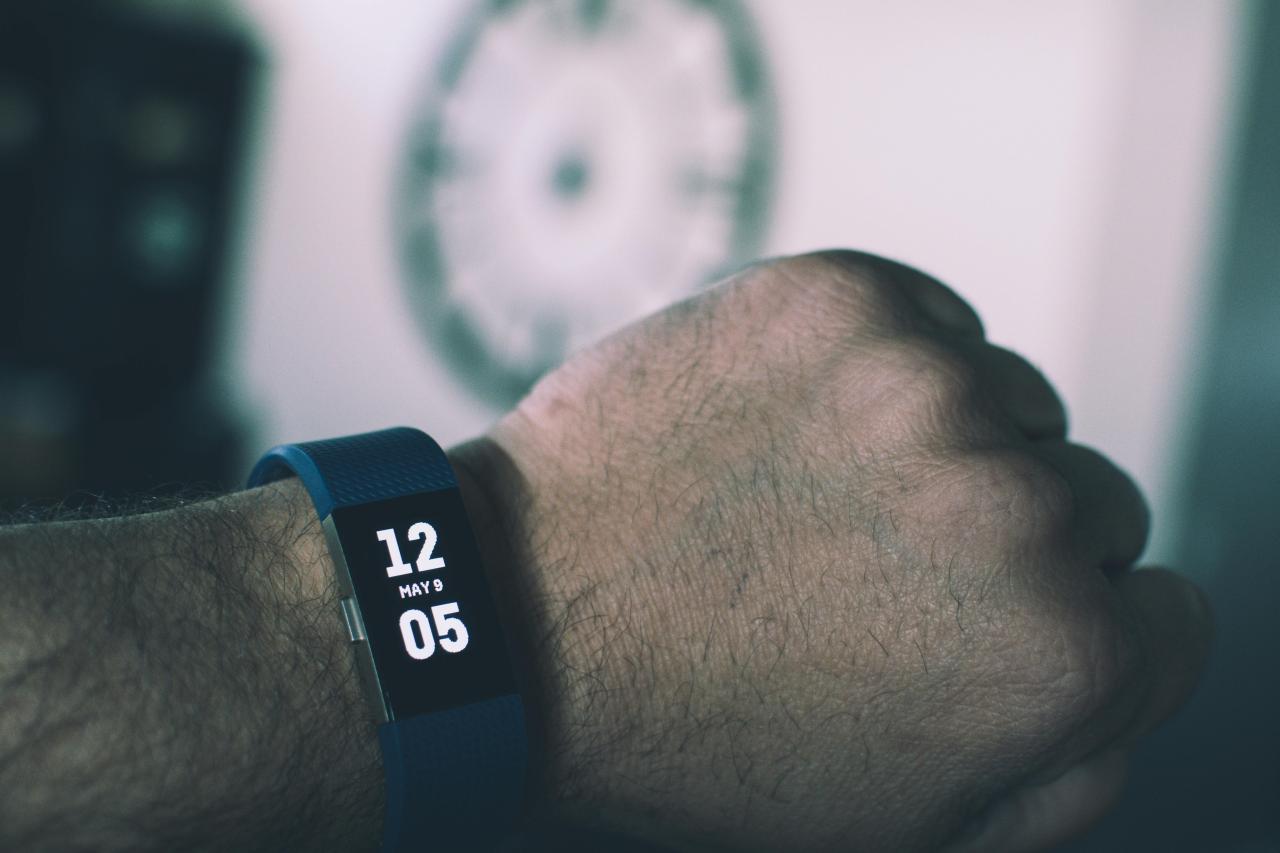
The choice between a simple fitness band and a sophisticated smartwatch represents a direct, necessary trade-off between focused longevity and expansive, versatile functionality. The fitness band excels as a specialized, single-purpose tool, primarily prioritizing superior multi-week battery life and exceptional comfort through its light, minimalist design. This makes it the ideal choice for continuous, unobtrusive activity and essential sleep tracking for the general user.
Conversely, the high-end smartwatch serves as a comprehensive communication and advanced health hub, robustly justifying its higher cost and necessary daily recharge with an extensive suite of premium features. These features include advanced ECG and SpO2 sensors, built-in GPS for independent tracking, and secure contactless payment capabilities for daily use. The core difference ultimately lies in the software ecosystem; bands rely on simplified, closed systems for basic metrics, while smartwatches boast open app stores and powerful operating systems that allow for true phone-free independence.
For the budget-conscious user whose primary goal is reliable heart rate and step monitoring, the affordability and endurance of the band offer superior, focused value. However, for the user prioritizing critical safety features, communication versatility, and medically-relevant biometric data, the premium investment in the full-featured smartwatch is necessary to successfully meet all complex digital demands.