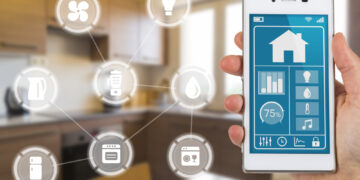
The concept of a connected residence has evolved from a futuristic dream into an essential component of modern urban living. We are currently witnessing a massive shift in how individuals interact with their physical surroundings, driven by the rapid advancement of the Internet of Things (IoT). No longer is automation reserved for the tech-savvy elite or high-budget luxury mansions; it has become accessible to anyone with a smartphone and a wireless connection.
This revolution is fundamentally about reclaiming time and enhancing the quality of life through seamless technological integration. By delegating mundane tasks to intelligent algorithms and sensors, homeowners can focus on what truly matters: family, personal growth, and relaxation. The modern smart residence acts as a living, breathing entity that anticipates your needs, adjusts to your habits, and protects your most valuable assets. Whether it is optimizing energy consumption to save on utility bills or ensuring your home is secure while you are halfway across the world, the benefits are profound.
This article will explore the deep layers of home automation, from basic lighting controls to the complex ecosystems of artificial intelligence that manage entire properties. We will dive into how these technologies work together to create a harmonious environment that is more efficient, safe, and comfortable than ever before.
The Foundation of a Modern Smart Ecosystem
To build a truly automated residence, one must first understand the underlying infrastructure that allows different devices to communicate. A fragmented system where every lightbulb requires a different app is not automation; it is a digital headache. The goal is to create a unified ecosystem where every component speaks the same language, allowing for complex “scenes” and triggers.
A. Choosing the Right Connectivity Protocol
Devices usually communicate via Wi-Fi, Zigbee, or Z-Wave. Wi-Fi is easy but can crowd your bandwidth, while Zigbee and Z-Wave create a “mesh network” that is more stable for large numbers of devices.
B. The Role of a Central Smart Hub
A hub acts as the brain of your home, translating commands between different brands and technologies. It allows your motion sensor from one company to turn on a lightbulb from another, creating a seamless experience.
C. Voice Assistants as the Primary Interface
Voice control has become the most intuitive way to manage an automated home. By integrating with platforms like Alexa or Google Home, you can control your entire environment with simple spoken commands.
Intelligent Lighting and Ambiance Control
Lighting is often the first step people take into the world of automation because the impact is immediate and visible. Smart lighting is not just about turning bulbs on and off with your phone; it is about “circadian rhythm” and mood management. Advanced systems can mimic the natural progression of sunlight to improve your sleep patterns and overall mood.
A. Automated Scheduling and Geofencing
You can program your lights to turn on exactly at sunset or trigger them to shut off the moment your smartphone leaves the driveway. This ensures you never come home to a dark house and never waste energy on empty rooms.
B. Scene Setting for Different Activities
With a single tap, you can activate a “Movie Night” scene that dims the living room, closes the motorized blinds, and turns on the backlight behind your television. Custom scenes allow you to instantly transform the atmosphere of any room to suit the occasion.
C. Energy Optimization and Dimming
Smart dimmers allow you to use only the exact amount of light you need, extending the lifespan of your bulbs and reducing electricity costs. Many systems also include “Away Mode,” which randomly toggles lights to make the house look occupied.
Advanced Climate Control and Energy Efficiency
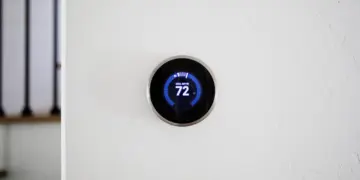
Heating and cooling are the largest energy consumers in most households, making smart thermostats a vital investment for both comfort and finances. These devices learn your schedule and preferences over time, eventually managing the temperature without any manual input. This results in a home that is always the perfect temperature exactly when you are there to enjoy it.
A. Learning Algorithms and Occupancy Sensors
Modern thermostats use sensors to detect if anyone is in a room and adjust the temperature accordingly. Over time, the AI learns when you wake up, when you leave for work, and what temperature you prefer for sleeping.
B. Multi-Zone Heating and Cooling
In a traditional home, the whole house is usually heated or cooled to the same temperature. Smart vents and zone controllers allow you to focus energy only on the rooms currently in use, significantly cutting down on waste.
C. Integration with Smart Windows and Blinds
Your climate system can work in tandem with motorized shades to manage heat gain from the sun. In the summer, the blinds can close automatically during the hottest part of the day to keep the house cool naturally.
The New Standard of Home Security
Security is perhaps the most compelling reason to invest in home automation, providing a level of “proactive” protection that old-school alarms cannot match. Instead of just making noise when a door is opened, a smart security system can deter intruders before they even reach your porch. The integration of high-definition video, AI facial recognition, and instant mobile alerts puts total control in the palm of your hand.
A. Intelligent Video Doorbells and Cameras
Modern cameras can distinguish between a person, a package, and a stray animal, reducing the number of annoying false alerts on your phone. Two-way audio allows you to speak to delivery drivers or warn off suspicious individuals from anywhere.
B. Smart Locks and Digital Key Management
Keyless entry systems allow you to lock or unlock your door remotely and track who enters your home and at what time. You can issue temporary “digital keys” to guests or service workers that expire after a set duration.
C. Automated Emergency Responses
If a smoke or carbon monoxide detector is triggered, the smart home can automatically unlock all doors for easy exit and turn on all lights to aid visibility. It can also instantly notify the local emergency services while providing them with your exact location.
Kitchen and Appliance Automation
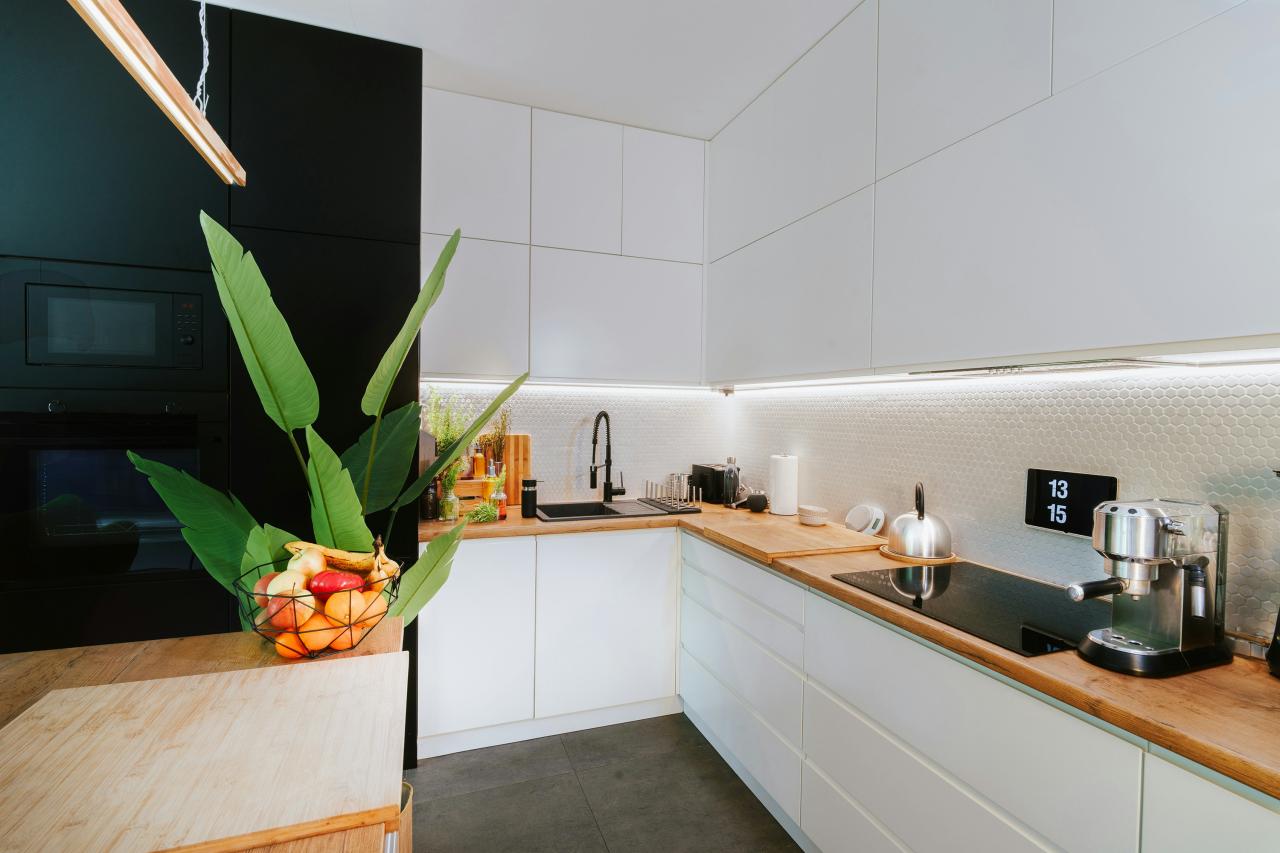
The kitchen is the heart of the home, and it is rapidly becoming the smartest room in the house. Connected appliances are not just about novelty; they are about reducing food waste and simplifying the cooking process. From refrigerators that track your groceries to ovens that can be preheated from the grocery store, technology is making the “chore” of cooking much more enjoyable.
A. Smart Refrigerators with Internal Cameras
Have you ever been at the store and forgotten if you had milk? Internal cameras allow you to peek inside your fridge from your phone, while built-in screens can help you manage the family calendar and shopping lists.
B. Precision Cooking and Connected Ovens
Ovens with built-in cameras and temperature probes allow you to monitor your meal’s progress without opening the door and losing heat. You can download “guided recipes” that automatically set the time and temperature for perfect results every time.
C. Automated Dishwashers and Coffee Makers
Imagine waking up to the smell of fresh coffee that was brewed the moment your morning alarm went off. Smart appliances can also be scheduled to run during “off-peak” energy hours, saving you money on every cycle.
The Role of Artificial Intelligence in the Home
The true power of home automation is realized when Artificial Intelligence (AI) takes over the management of the various devices. We are moving away from manual “remote control” and toward “predictive living,” where the house understands context. This level of automation requires a vast amount of data processing to ensure that the technology is helpful rather than intrusive.
A. Predictive Maintenance for Home Systems
Smart sensors can monitor the health of your HVAC system or water heater and alert you to potential failures before they happen. This “predictive maintenance” prevents expensive emergency repairs and extends the life of your appliances.
B. Voice Recognition and User Profiling
Advanced AI can recognize who is speaking and adjust the lights, music, and climate to that specific person’s preferences. This creates a truly personalized experience for every member of the family.
C. Automated Shopping and Inventory Management
Systems can now track how much laundry detergent or dish soap you have left and automatically order more when you run low. This “invisible commerce” ensures that you never run out of the essentials of daily life.
Entertainment and Multi-Room Audio
The way we consume media has been completely transformed by the ability to stream high-quality audio and video to any room in the house. Multi-room audio systems allow you to “follow” your music as you move through different spaces or play different genres in different rooms simultaneously. This creates a luxurious and immersive environment for both quiet evenings and large social gatherings.
A. High-Fidelity Wireless Audio Ecosystems
Modern speakers use Wi-Fi rather than Bluetooth to deliver lossless audio quality without the range limitations of older technology. These systems can be grouped together to create a powerful whole-home soundstage.
B. Automated Home Theater Systems
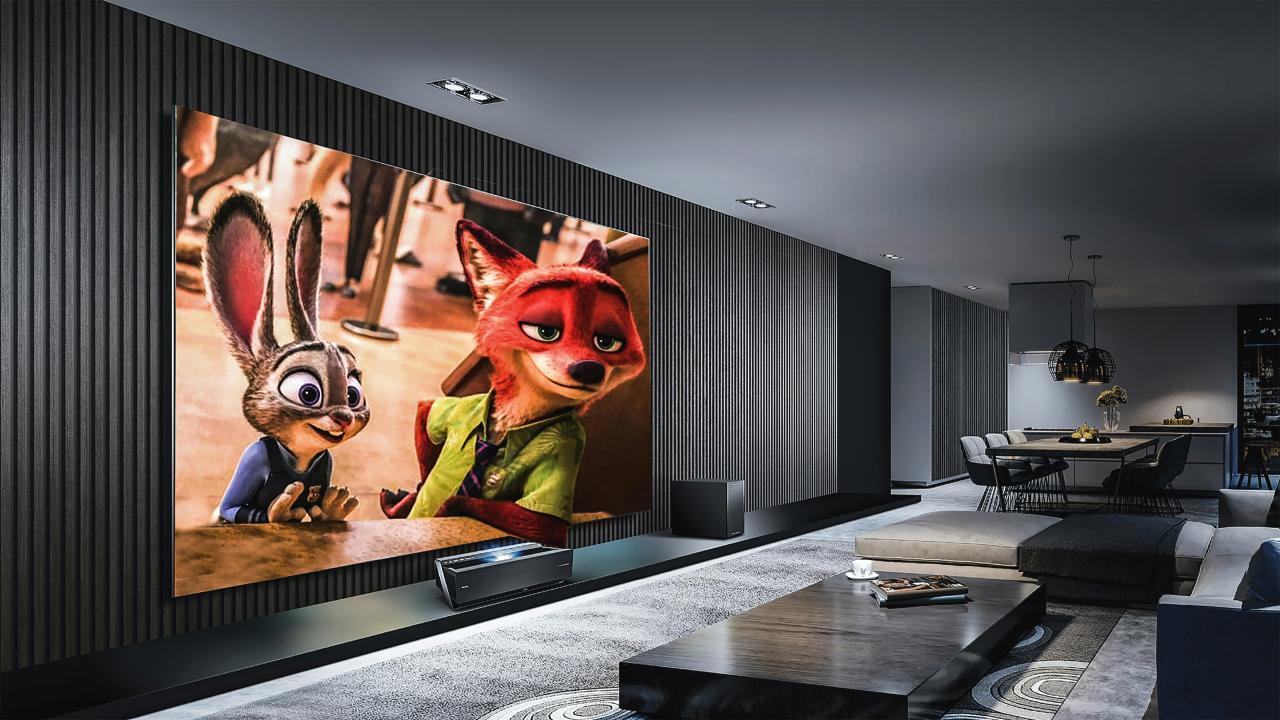
A smart home theater can coordinate the projector, screen, sound system, and lighting with a single command. It creates a commercial-grade cinema experience within the comfort and privacy of your own living room.
C. Outdoor Entertainment and Weatherproofing
Automation is moving into the backyard with weatherproof speakers and televisions that adjust their brightness based on the time of day. You can manage your pool temperature and outdoor lighting from the same app you use for your indoor lights.
Smart Gardening and Outdoor Automation
Technology is not limited to the interior of the house; it is also revolutionizing how we manage our lawns and gardens. Automated irrigation and robotic mowers are allowing homeowners to maintain beautiful landscapes with zero physical effort. This is particularly beneficial for those living in areas with strict water restrictions or for people with limited mobility.
A. Weather-Aware Irrigation Systems
Smart sprinklers use local weather data to ensure they don’t water the lawn during a rainstorm or high winds. This saves thousands of gallons of water per year and ensures your plants get exactly the amount of moisture they need.
B. Robotic Lawn Mowers and Pool Cleaners
Similar to robotic vacuums, these devices maintain your outdoor spaces quietly and efficiently while you sleep or work. They can be programmed to follow specific paths and avoid obstacles, ensuring a perfectly manicured lawn every day.
C. Soil Moisture and Nutrient Sensing
Sensors placed in the soil can alert you via your smartphone if your garden needs more fertilizer or if the pH levels are off. This data-driven approach to gardening ensures that even a beginner can maintain a thriving vegetable patch.
Health and Wellness Integration
A growing trend in home automation is the focus on the physical and mental well-being of the residents. By monitoring air quality, water purity, and sleep patterns, the smart home can act as a proactive health coach. This is especially important in urban environments where pollution and stress can take a heavy toll on our long-term health.
A. Air Quality Monitoring and Purification
Sensors can detect the buildup of CO2, VOCs, or particulate matter and automatically ramp up the air purifiers or ventilation system. This ensures that the air you breathe while sleeping is as clean as possible.
B. Smart Water Filtration and Leak Detection
Connected water systems can monitor for contaminants and alert you when filters need changing. Additionally, smart leak detectors can automatically shut off the main water valve if a pipe bursts, preventing thousands of dollars in water damage.
C. Sleep Optimization via Smart Beds
Beds with built-in sensors can adjust their firmness based on your sleeping position and even warm up your feet to help you fall asleep faster. They provide detailed reports on your sleep stages, helping you identify habits that are disrupting your rest.
Overcoming Challenges: Security and Privacy
As we bring more cameras and microphones into our private spaces, the issues of data privacy and cybersecurity become paramount. Homeowners must be diligent about protecting their networks from hackers and being aware of how their data is being used by tech companies. A truly smart home must be a safe home, both physically and digitally.
A. The Importance of Network Segmentation
You should always put your smart home devices on a separate “guest” Wi-Fi network to prevent them from accessing your primary computers or smartphones. This adds an extra layer of protection in case one cheap smart plug has a security flaw.
B. Using Two-Factor Authentication (2FA)
Every smart home account should be protected by 2FA to prevent unauthorized access. This ensures that even if someone steals your password, they cannot gain control of your cameras or locks.
C. Understanding Local vs. Cloud Processing
Some systems process all your data locally on a hub within your house, while others send everything to the cloud. For maximum privacy, many experts recommend choosing systems that keep your personal data within your own four walls.
The Future of Automated Living
We are only at the beginning of the home automation revolution, with even more exciting technologies on the horizon. From windows that can generate solar power to wall surfaces that can change color or texture at will, the future home will be unrecognizable to us today. The ultimate goal is a home that is entirely self-sufficient and perfectly aligned with the needs of its inhabitants.
A. Energy Independence with Home Batteries
As battery technology improves, more homes will be able to store solar energy and go completely “off the grid.” Smart homes will manage this energy flow automatically, selling excess power back to the grid when prices are high.
B. Advanced Robotics for Household Chores
We can expect to see more sophisticated robots that can fold laundry, cook complex meals, or even provide basic care for the elderly. This will allow people to age in place more comfortably and safely than ever before.
C. Integration with Smart Cities
Your home will eventually communicate with the surrounding city infrastructure to optimize waste collection, traffic flow, and emergency responses. This “macro-automation” will lead to more sustainable and efficient urban environments for everyone.
Conclusion
The journey into home automation is a transformative path toward a more efficient and comfortable life. Every device added to your ecosystem should serve a clear purpose in enhancing your daily routine. Technology must remain intuitive and accessible to every member of the household, regardless of age. Energy efficiency is one of the most significant and immediate benefits of adopting smart technologies. Security and privacy are the non-negotiable foundations upon which every automated home must be built.
The integration of artificial intelligence is moving us from manual control to a state of predictive living. Home automation is not a one-time purchase but a continuous evolution of your living environment. Choosing the right communication protocols ensures that your devices will work together for years to come. The kitchen and the bedroom are the most high-impact areas for wellness-focused automation. Investing in a high-quality central hub is the best way to prevent the frustration of fragmented systems. Automated gardening and outdoor maintenance can save incredible amounts of water and manual labor.
The modern smart home acts as a proactive health coach by monitoring the air you breathe and the way you sleep. As technology becomes more invisible, it will become an even more natural part of our human experience. The cost of entry for home automation continues to drop, making these benefits available to everyone. We must remain vigilant about our digital security while embracing the physical safety that automation provides. Ultimately, the goal of home automation is to provide us with the luxury of time and the peace of mind to enjoy it.