
The Essential Toolkit for the Modern Nomad
The global shift towards flexible work models has redefined the professional workspace entirely. This fundamental change has successfully liberated countless individuals from the traditional confines of a physical office desk. This dramatic change has elevated the portable laptop from a mere convenient tool to the single most critical, truly indispensable instrument for the modern remote professional.
This essential tool often determines the critical difference between achieving high productivity and suffering from frustrating inefficiency. A great remote work laptop must strike a demanding, delicate balance between powerful processing capabilities and genuine all-day battery endurance. It must also feature lightweight, highly durable portability that is suitable for constantly changing work environments, ranging from busy coffee shops to quiet home offices. The ideal portable machine needs much more than just fast internal components.
It absolutely requires robust, flexible connectivity options, a comfortable ergonomic design engineered for long hours of intense typing, and a display that effectively minimizes eye strain. The screen should also offer excellent color accuracy for handling various professional tasks. Choosing the right device means deeply understanding exactly how processor efficiency, RAM size, storage type, and screen technology must all synergize to reliably support demanding modern applications. These demanding applications include intense video conferencing, complex data analysis, and seamless multitasking across numerous software applications. This comprehensive guide will meticulously navigate the essential specifications, critical features, and often-overlooked design elements. These components collectively define the truly best portable laptop for successfully mastering the unique challenges of professional remote work.
Defining Portability and Performance
The ideal machine for remote work must expertly marry genuinely powerful internal technical specifications with a form factor that is genuinely easy to carry and use in any location. This necessary combination is absolutely essential for maintaining consistent high productivity while traveling frequently. A balance must be struck.
Size, Weight, and Build Materials
Portability is accurately quantified not just by how light the laptop feels in your hand, but also by its overall physical size and the durability of the specific materials utilized in its construction. Laptops featuring screen sizes between 13 and 14 inches strike the best, most practical balance. This range offers a comfortable viewing and typing area while simultaneously remaining compact enough for easy transport.
The total weight of the device should ideally be strictly under 3 pounds (1.4 kilograms). This specific weight range minimizes the physical strain of daily carrying and frequent travel inside a backpack or professional briefcase. Homeowners should look specifically for highly durable build materials such as aluminum or magnesium alloy. These premium materials offer excellent structural rigidity and superior heat dissipation without adding excessive, unnecessary bulk to the final design.
Processor (CPU) Efficiency
The processor functions as the central electronic brain of the laptop, managing all tasks and calculations. For the demands of remote professional work, the primary focus must be placed on modern processors that excel at both raw performance and crucial energy efficiency. Modern CPUs, particularly those from the Intel Core i5 or i7 (U-series or P-series) or AMD Ryzen 5 or 7 lineups, offer an excellent, balanced blend of raw power necessary for demanding multitasking. They also provide efficient power usage, which directly translates into significantly longer battery life.
The energy efficiency of the chosen CPU directly influences the laptop’s thermal performance. High efficiency is critical for preventing uncomfortable overheating during intense, extended video conferences or when running numerous memory-intensive applications simultaneously. Avoid extremely powerful (H-series) CPUs entirely. These are usually massive overkill for standard remote tasks and will drastically reduce overall battery life, making them completely unsuitable for highly portable, daily professional use.
Random Access Memory (RAM) and Storage
Adequate amounts of fast RAM and modern, quick storage are vital components for ensuring smooth, lag-free multitasking. They also allow for the rapid access of large professional documents and application files. This combination is essential for preventing frustrating system slowdowns and freezing. For the demands of modern remote professional work, 16 GB of fast RAM should now be considered the absolute comfortable minimum standard specification. This ensures seamless operation when juggling multiple resource-heavy browser tabs, an active video call, and large professional documents simultaneously.
Storage must always be a fast Solid State Drive (SSD). Specifically, look for models utilizing the faster, modern NVMe protocol. NVMe SSDs provide near-instantaneous operating system boot times and extremely rapid data transfer rates for large files. Avoid older, slower Hard Disk Drives (HDDs) entirely in a portable machine. They will significantly drag down the overall system performance and severely reduce the responsiveness of the machine.
Power and Connectivity for All-Day Work
A dedicated remote work laptop is only as truly effective as its longest possible battery life and its seamless ability to connect reliably to various external devices and diverse networks around the world. Uncompromising reliability is the absolute key when working outside the controlled office environment.
True All-Day Battery Life
Exceptional, long-lasting battery life is absolutely non-negotiable for busy remote workers. These professionals frequently move between various locations without any guaranteed access to a power outlet. Aim for a laptop that can genuinely deliver a consistent 8 to 10 hours of continuous, real-world productivity under typical daily usage conditions. These conditions include web browsing, light editing tasks, and frequent video calls.
Battery capacity is technically measured in Watt-hours. Generally, higher numbers indicate a potentially longer life. However, the overall energy efficiency metrics of the CPU and the display technology are equally important determining factors. Fast charging capability is a significant and highly desirable bonus feature. It allows the laptop to rapidly regain a usable and sufficient charge during short breaks between scheduled meetings or quick stops during travel.
USB-C and Thunderbolt Ports
Modern professional connectivity relies almost entirely on standardized, multi-functional ports for data transfer, battery charging, and external display output. This critical standardization greatly simplifies the packing and management of your essential tech bag. USB-C is the current universal standard for both charging the device and high-speed data transfer. It provides flexibility to use a single, universal charger for the laptop, your phone, and all other necessary accessories.
Thunderbolt technology (which is often physically found on USB-C ports) offers lightning-fast data speeds. It also provides the unique ability to connect to powerful external monitors and fully functional docking stations using just one single, integrated cable. While legacy ports (like standard USB-A and HDMI) can still be somewhat helpful, homeowners should strongly prioritize laptops with at least two multi-functional USB-C or Thunderbolt ports for achieving maximum future compatibility and versatility.
Wi-Fi and Cellular Connection
Reliable, fast wireless connectivity is universally considered the lifeblood of successful remote work. Therefore, the chosen portable laptop must fully support the latest and fastest available network standards. The laptop should support at least the Wi-Fi 6 standard. Ideally, it should support the even faster Wi-Fi 6E standard. These latest standards offer faster speeds and less congestion when connected to busy public or shared home networks.
For achieving true, maximum flexibility, actively consider models that offer built-in 4G LTE or 5G cellular modemoptions. This highly useful feature allows you to connect to the internet securely and instantly without needing to constantly rely on often-unreliable or slow public Wi-Fi hotspots. Built-in cellular connections are generally much more secure than public options. They also offer more consistent bandwidth for highly critical tasks like intense video conferencing and connecting to secure company VPN networks.
User Experience: Display and Input

The essential components that directly interact with the user—the screen, the keyboard, and the trackpad—are what ultimately dictate personal comfort and long-term productivity during extended, intensive work sessions. These crucial components must never be overlooked during the selection process.
Display Quality and Eye Comfort
The laptop’s display must be exceptionally sharp, sufficiently bright, and visually easy on the eyes. This is particularly important for professionals who routinely spend eight or more hours looking intently at the screen daily. Aim for at least a 1920 by 1080 (1080p) resolution as the absolute baseline standard. However, 2560 by 1600 (2K) resolution offers superior clarity and much better support for viewing multiple application windows simultaneously.
Users should actively look for displays with high brightness, which is measured in nits (e.g., 400 nits or more is excellent). High brightness is absolutely essential for working comfortably outdoors or when situated in brightly lit public spaces. A matte or anti-glare screen finish is highly desirable and superior to glossy screens. This finish significantly reduces distracting ambient reflections and effectively minimizes eye strain over prolonged use.
Keyboard and Trackpad Ergonomics
A truly comfortable and highly reliable keyboard is paramount for high-volume typing and accurate data entry tasks. Similarly, the trackpad must be reliably responsive and supremely precise for navigation. The keyboard should feature well-spaced keys with adequate key travel. This is the measured distance the key moves when fully pressed. This tactile feedback is necessary for comfort and for reducing typing fatigue during long work periods.
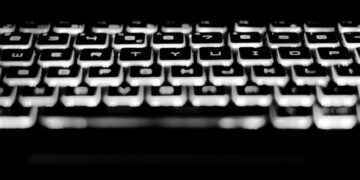
Helpful features like backlighting are essential for working efficiently in dim environments. These situations include late-night projects or poorly lit flights or hotel rooms. The trackpad itself should be large in size, ideally constructed from smooth glass. It must also reliably support accurate multi-touch gestures for seamless navigation and intuitive workflow control.
Webcam, Microphone, and Audio Quality
High-quality communication hardware is no longer considered a luxury feature; it is now a fundamental necessity for all professional remote workers. These individuals rely heavily on video conferencing tools for their daily communication. Look for an integrated 1080p (Full HD) webcam as the absolute minimum standard for video quality. Older 720p cameras often produce unprofessional, grainy video quality in important virtual meetings.
The internal microphones should incorporate advanced noise-canceling technology. This filters out distracting background sounds, such as loud keyboard clicks or street noise, during important calls. Clear, forward-facing speakers are also important for easily hearing colleagues and clients during group discussions without having to constantly rely on external headphones.
Security, Management, and Sustainability
A professional-grade laptop must incorporate robust, multi-layered security features to fully protect sensitive company data. It must also offer long-term reliability and easy IT management features for businesses.
Biometric and Hardware Security
Protecting proprietary company and client data is consistently the top priority for remote professionals. This necessitates incorporating advanced security features to guard comprehensively against unauthorized access attempts. Biometric security (such as fast fingerprint readers or secure facial recognition via Windows Hello or similar systems) provides quick, highly secure, and personalized login capabilities for the user.
The laptop should fully support crucial hardware features like a TPM (Trusted Platform Module). The TPM secures all essential encryption keys and meticulously verifies the system’s integrity during the boot process. Users should look for physical webcam privacy shutters or electronic kill switches. These features physically block or electronically disable the camera and microphone, adding a crucial layer of physical assurance against unauthorized electronic spying.
Durability and Warranty
Given the constant travel, movement, and often unpredictable environments involved in remote work, the laptop must be reliably built to withstand minor bumps, sudden temperature changes, and small accidents. Homeowners should check for laptops that meet military-grade MIL-STD 810H durability standards. These standards indicate proven resistance to vibration, minor drops, and extreme temperatures.
A comprehensive warranty that offers reliable and quick service is absolutely essential. Any downtime experienced due to a hardware failure can severely and negatively impact professional obligations and deadlines. Extended warranty options that specifically cover accidental damage are considered a very wise, valuable investment for professionals who frequently travel with their device.
Operating System (OS) and Ecosystem
The fundamental choice of operating system dictates overall software compatibility, general ease of use, and seamless integration with other work devices. These devices often include smartphones and desktop PCs. Windows 11 Pro offers the broadest software compatibility across the industry. It also provides advanced management features (such as secure BitLocker encryption) that are necessary for most professional business environments.
macOS excels primarily in user experience, extremely long, optimized battery life, and seamless integration with the complete Apple ecosystem (iPhone, iPad). Before fully committing to a purchase, the user must ensure that the specific chosen operating system is fully compatible with any specialized business software, required VPN clients, or proprietary tools mandated by their employer.
Choosing the best portable laptop for professional remote work is a strategic and critical decision. It requires carefully balancing raw processing power with maximum portability, robust, long battery life, and uncompromising user comfort. By strategically prioritizing technical specifications that actively enhance connectivity and integrated security, the remote professional can confidently ensure their essential work setup is ready for any location, task, or unexpected professional challenge.
Conclusion: Remote Mastery Through Smart Hardware

The selection of the ideal portable laptop is the most consequential choice for any professional seeking to thrive within the demands of remote work flexibility. True success is achieved by prioritizing a lightweight, durable form factor, generally around the 13-inch to 14-inch mark, ensuring effortless travel and daily use. This portability must be skillfully matched with high-efficiency processors, such as modern Intel U-series or AMD Ryzen chips, alongside a minimum of 16 GB of RAM for fluid, seamless multitasking across demanding applications.
A non-negotiable feature is an all-day battery life, typically 8 to 10 hours of real-world use, supported by fast-charging capabilities to minimize reliance on power outlets during travel. Modern connectivity is critical, demanding the inclusion of versatile USB-C or Thunderbolt ports and support for the latest Wi-Fi standards, ideally with optional 5G cellular capability for guaranteed connectivity.
The user experience is heavily determined by a high-resolution, anti-glare display and an ergonomic, backlit keyboard designed for extensive typing comfort. Finally, the integration of biometric security, a robust warranty, and full compatibility with necessary professional operating systems collectively ensures the laptop is a secure, reliable, and high-performing tool for professional mastery in any remote setting.