The Brain of Your Home’s Climate Control
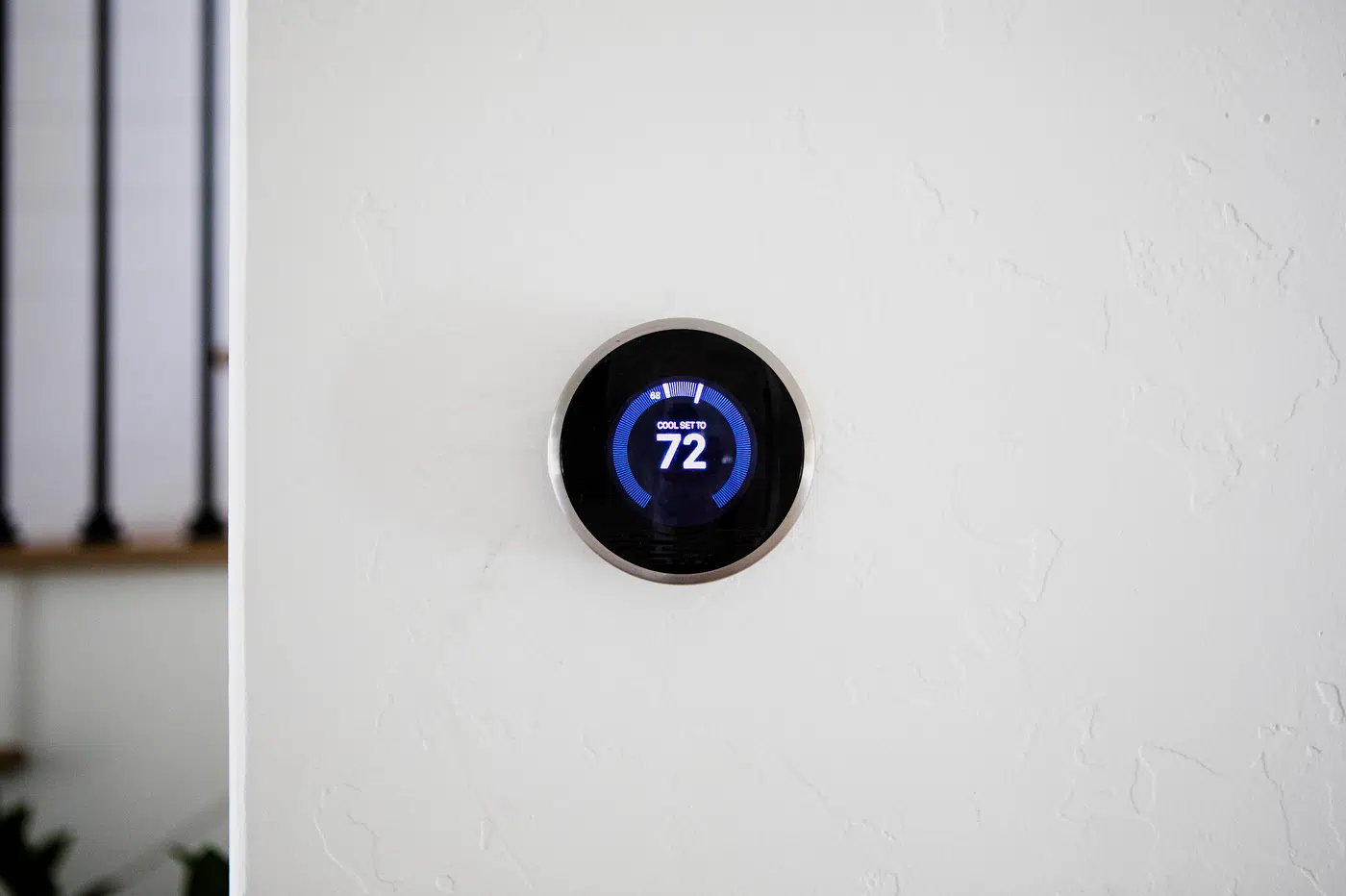
The way we manage the temperature inside our homes has undergone a significant transformation, moving from the simple mechanical dial to sophisticated, learning, and highly connected devices known as smart thermostats. These gadgets are far more than mere temperature adjusters; they actively function as the intelligent nerve center of your home’s entire heating, ventilation, and air conditioning (HVAC) system. They are designed to dynamically optimize climate control for maximum comfort and unparalleled efficiency.
By leveraging complex algorithms and utilizing real-time data from both internal sensors and external sources, a smart thermostat learns your specific daily habits, personal preferences, and the unique thermal properties of your house. This advanced capability allows the device to autonomously create highly efficient, personalized schedules. This naturally reduces overall energy consumption without requiring constant manual adjustment from the homeowner.
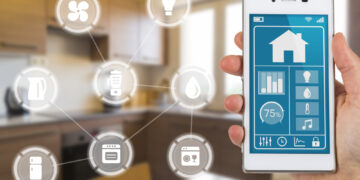
Furthermore, their seamless connectivity enables complete remote control via dedicated smartphone apps. This grants you the necessary power to adjust the climate from anywhere in the world. It ensures you never waste money heating or cooling an entirely empty house. This guide will meticulously explore the underlying technology, detail the essential features that fundamentally drive energy savings, and outline the simple steps for integration, proving why a smart thermostat is one of the most valuable investments for the modern, efficiency-conscious homeowner.
How Smart Thermostats Achieve Efficiency
The core, fundamental difference between a traditional, non-connected thermostat and a modern smart one lies in its superior ability to actively collect data. It also lies in its ability to apply computational intelligence to all its heating and cooling decisions. This intelligence moves climate control beyond mere reaction.
Learning Algorithms and Scheduling
The single most defining feature of a smart thermostat is its impressive ability to autonomously learn and accurately predict your specific comfort needs. This continuous behavioral learning is the absolute key to achieving maximized energy efficiency throughout the year. Smart thermostats tirelessly track when you manually adjust the temperature throughout the week and accurately note when you are home or when you are completely away.
Over a surprisingly short period, they autonomously generate a meticulously optimized schedule. This schedule prioritizes your comfort precisely when the house is occupied and actively scales back energy usage to save money when the house is empty. This proactive and intelligent scheduling prevents the HVAC system from running unnecessarily or inefficiently. This unnecessary operation is a common source of significant energy waste in homes that rely on simple, fixed programmable thermostats.
Geofencing and Presence Detection
Advanced smart thermostats utilize precise location technology to automatically manage the home climate with minimal user input. This ensures that energy is only actively used when it is genuinely needed for comfort. Geofencing uses the precise GPS data from users’ smartphones to establish a virtual, digital perimeter around the property. When the last person crosses this boundary and leaves the area, the thermostat automatically sets the entire system to a highly efficient “Away” mode.
Conversely, when the first resident begins to approach the boundary, the thermostat begins warming or cooling the house preemptively. This advanced action ensures that the desired comfortable temperature is reached exactly upon the resident’s arrival. Some sophisticated models also incorporate built-in proximity sensors directly into the unit or remote devices. These sensors are used to physically detect when a person is actively present in the room, further refining the crucial “Home” status detection and preventing unnecessary runs.
Temperature Averaging with Remote Sensors
To successfully overcome the inherent and historical problem of reading the home’s temperature only in one fixed location, smart systems frequently utilize wireless remote sensors. These sensors are strategically placed to ensure better, more uniform accuracy. Traditional, single-point thermostats only read the temperature directly where they are mounted, which often leads to noticeably uneven heating or cooling throughout the entire house.
Remote sensors can be easily placed in key living areas, such as frequently used bedrooms, offices, or the main living room, to accurately measure the temperature precisely where people are physically located. The smart thermostat then intelligently averages the readings from all these scattered sensors. It adjusts the HVAC system’s output based on the precise temperature requirements of the occupied rooms, entirely ignoring the often-misleading reading from a cold hallway.
Compatibility and Installation Fundamentals
Before any purchase is finalized, homeowners must first ensure that their existing HVAC system is fully compatible with the chosen smart thermostat model. They must also possess a clear understanding of the basic wiring requirements for a smooth and non-destructive installation process. Checking compatibility prevents frustration.
Understanding HVAC Compatibility (C-Wire)
The vast majority of advanced smart thermostats require a consistent, low-voltage electrical power source. This power is necessary to continuously maintain their Wi-Fi connection, run their powerful processors, and light their displays. This constant power is typically and reliably provided by the crucial C-Wire (Common Wire). The C-Wire is absolutely necessary because smart thermostats, unlike their mechanical or fixed-schedule predecessors, contain sophisticated internal circuitry, power-hungry Wi-Fi chips, and large displays that require continuous, reliable power.
If your current thermostat wiring setup unfortunately lacks this vital C-Wire, you will face a few options. You may need to use an included power adapter kit, install a C-Wire directly from the furnace to the wall, or instead choose a specialized battery-powered smart model that often has limited features. Most reputable manufacturers provide detailed, easy-to-use compatibility checkers directly on their websites. This allows you to quickly determine if your existing furnace and wiring infrastructure fully support their device.
Easy Installation and Setup Process
The physical installation process for most smart thermostats is designed to be surprisingly straightforward. It involves the careful removal of the old thermostat and the connection of a few clearly labeled, low-voltage wires. Safety First:Always prioritize safety by turning off the power to your entire HVAC system at the main breaker box before attempting to touch any wiring. This prevents dangerous electric shock and potential irreversible damage to the sensitive control board.
After carefully removing the old wall unit, make sure to clearly label each low-voltage wire before disconnecting it, utilizing the small stickers typically provided in the smart thermostat’s box. The new thermostat baseplate is then securely mounted to the wall. The labeled wires are connected to the corresponding labeled terminals (e.g., R for Power, Y for Cooling, W for Heating).
Network Connectivity and App Integration
Once the smart thermostat is physically installed on the wall, it must then be successfully connected to your home’s Wi-Fi network. This crucial step is what enables all of its smart, remote, and data-driven efficiency features to function. The entire connection process is managed exclusively via the manufacturer’s dedicated smartphone application, which guides the user through selecting the correct Wi-Fi network and securely entering the password.
A stable, very strong Wi-Fi signal at the specific mounting location is absolutely critical for reliability. A dropped connection will mean that the smart features, such as remote control, geofencing, and vital weather data, will immediately cease to function. After connecting to the network, the app is used to set up user accounts, seamlessly link the device to voice assistants, and initiate the crucial, initial learning phase of the algorithm.
Data, Reports, and Predictive Features

The true, measurable power of a smart thermostat comes from its impressive ability to analyze vast amounts of data. This data includes both historical usage information and real-time external conditions. This analysis allows it to make significantly better, more informed efficiency decisions.
Energy Usage Reports and Feedback
Smart thermostats are designed to provide detailed, easy-to-understand reports that give the homeowner crucial, actionable visibility into their entire energy consumption habits. These reports meticulously break down energy consumption hour by hour, day by day, and month by month. They clearly highlight precisely when the system ran and for how long it operated.
The reports often compare the homeowner’s current usage to previous historical periods. They may even compare it to the averages of similar homes in the area, which provides useful context for energy savings goals. Receiving this direct, personalized feedback empowers users to make conscious, positive behavioral changes. This includes slightly adjusting the temperature set point or making better, more frequent utilization of the advanced scheduling feature.
Weather Integration and Predictive Control
By seamlessly connecting to local, real-time weather services, a smart thermostat can intelligently anticipate upcoming changes in outdoor temperature and sun exposure. This allows it to adjust its behavior proactively before conditions change. The system learns how long it physically takes to heat or cool your specific home based on current outdoor conditions. For instance, on a bright, sunny day, it might start cooling the house earlier than scheduled to successfully counter the predicted solar gain.
This intelligent predictive control ensures that the HVAC system only runs for the precise minimum amount of time required to accurately maintain the set temperature. This avoids unnecessary “overshoot,” which wastes energy and reduces comfort. The device can also utilize real-time humidity data to adjust cooling cycles. This adjustment prioritizes dehumidification for increased comfort without causing excessive, uncomfortable temperature drops.
Maintenance Alerts and System Monitoring
Smart thermostats continuously and actively monitor the precise performance of the connected HVAC equipment in the background. This sophisticated monitoring provides early warnings of potential mechanical issues before they become serious. By tracking the exact run times and the efficiency of the furnace or air conditioner, the system can detect subtle anomalies that may clearly indicate a looming problem or failure.
It can be programmed to send timely maintenance alerts directly to the user’s phone. Optionally, it can alert a registered, preferred HVAC technician when an air filter needs changing or if a noticeable efficiency drop is detected in the system. This proactive and early monitoring saves homeowners money by successfully catching small maintenance issues before they have a chance to escalate into costly, complete system failures.
Security, Privacy, and Ecosystem Integration
Because a smart thermostat is connected directly to your home network and actively collects sensitive personal data about your presence and habits, understanding its security features and how it integrates with other smart devices is fundamentally important. Data protection is a key consideration.
Data Security and User Privacy
Since the thermostat collects intimate, personal data about your presence, absence, and daily habits, manufacturers must make robust data security and user privacy their top priority. Reputable brands employ robust data encryptionprotocols. These protocols are necessary to fully protect the communication that occurs between the physical thermostat, the manufacturer’s cloud servers, and the user’s smartphone app.
User data is ideally anonymized when it is aggregated for comparison reports. This is a vital step that protects the individual’s privacy while still providing useful, generalized benchmarking data. Always ensure that your smart thermostat’s firmware is continuously kept up-to-date. Firmware updates frequently include critical security patches against any newly discovered network vulnerabilities or exploits.
Integration with Voice Assistants
Voice control adds a layer of intuitive, hands-free convenience. It allows for quick adjustment of the home climate from anywhere within earshot of a smart speaker. Smart thermostats are designed to be universally compatible with major voice platforms such as Amazon Alexa and Google Assistant.
Users can simply say, “Hey Google, set the thermostat to 21 degrees,” or “Alexa, what’s the current temperature in the living room?” This deep integration eliminates the need to physically interact with the wall unit itself. This is especially useful when your hands are full or when you are already comfortable and relaxing on the couch.
Linking to Other Smart Home Devices
The true, ultimate power of a comprehensive smart home lies in the seamless, automated interconnectedness of all its devices. The smart thermostat serves as a critical, central link in many complex automation routines. Integration with smart lighting can be used to flash a warning light when the temperature drops dangerously low. This could indicate a severe furnace failure during the cold winter months.
Linking the thermostat to door and window sensors can automatically pause the AC or heat when a window is detected to be left open for an extended, wasteful period. This saves significant energy and reduces wear on the HVAC unit. By working in harmony with the entire home ecosystem, the smart thermostat completely transcends its basic function. It becomes a central, indispensable component of a holistic, highly energy-saving smart home environment.
The simple switch to a smart thermostat is a wise, tangible investment that pays continuous dividends through real, measurable energy savings and greatly enhanced, intuitive comfort control. By clearly understanding the core technologies of learning, geofencing, and remote sensing, homeowners can fully leverage the device’s capabilities. This allows them to successfully maintain a perfectly balanced, efficient, and comfortable indoor climate year-round.
Conclusion: Smart Climate for a Comfortable Life

The adoption of a smart thermostat is one of the most effective and accessible methods for homeowners to significantly reduce their household energy consumption. This exceptional efficiency is largely driven by sophisticated, self-learning algorithms that meticulously track and predict the users’ comfort habits over time. Crucially, the technology leverages precise location-based features like geofencing to automatically adjust the system’s power use when the home is unoccupied.
The integration of wireless remote sensors further optimizes comfort by accurately calculating the average temperature across multiple occupied rooms, eliminating uneven climate control. Installation, while requiring basic electrical safety knowledge regarding the C-Wire, is simple and guides the user toward a successful setup via the intuitive smartphone application. Once connected, the thermostat provides invaluable data through detailed energy usage reports, offering clear, actionable feedback on consumption patterns.
Furthermore, the ability to integrate with external weather data allows for proactive and predictive heating and cooling cycles, maximizing system efficiency. This convergence of intelligence, data analysis, and remote accessibility makes the smart thermostat an indispensable central controller for the modern, energy-conscious residence.