Beyond the Clock: The Wearable Revolution
The modern smartwatch has successfully evolved far beyond its humble beginnings as a simple digital wrist accessory. It was initially designed merely to mirror basic notifications from a connected smartphone. Today’s sophisticated wearable devices have fundamentally transformed into comprehensive, personalized health coaches, indispensable communication hubs, and powerful, continuous fitness trackers.
All of this essential technology is seamlessly integrated into a remarkably small, highly stylish package worn comfortably on the wrist. This rapid technological progression has created a market overflowing with hundreds of options, making the process of selecting the precise right device a complex and often highly confusing task for new consumers. To truly find the perfect smartwatch, one must look intensely past any superficial design elements.
The focus must be intensely shifted to the core, fundamental functionalities that genuinely contribute to daily life improvement and long-term health monitoring. The features that genuinely matter most are those that consistently deliver reliable, actionable data. They must also offer exceptional longevity through a robust battery life and ensure seamless interaction with the user’s existing digital ecosystem of devices.
Understanding the nuanced differences between basic passive fitness tracking and active, potentially medical-grade health monitoring is essential. This understanding ensures the user makes an investment that genuinely enhances their overall well-being and productivity. This detailed guide will meticulously dissect the most critical features available today, moving from essential battery performance and connectivity standards to advanced biometric sensors. This thorough analysis will ultimately help you navigate the confusing options and choose the specific wearable that best fits your demanding lifestyle.
Power and Endurance: The Battery Lifeline
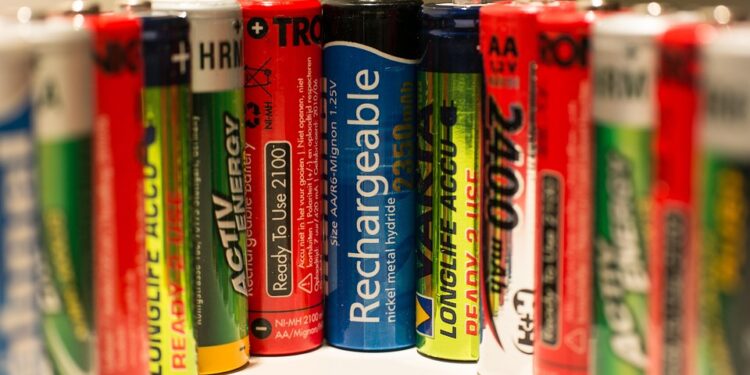
In the competitive world of smartwatches, a device is only truly functional for as long as its internal battery can reliably last. Therefore, battery performance is universally considered the single most crucial feature. This metric ultimately determines the real-world, long-term usability of any wearable device.
Realistic Battery Life Expectations
The advertised maximum battery life of a particular smartwatch often differs significantly from its actual real-world performance. This difference occurs under typical, daily usage conditions and loads. Users must carefully look beyond the manufacturer’s ambitious maximum claim and focus on realistic performance. A high-end smartwatch should ideally offer a minimum of 24 to 36 hours of reliable continuous use. This reliable minimum comfortably ensures full-day operation with enough remaining charge to safely last overnight for sleep tracking.
Many modern smartwatches wisely include a highly efficient low-power or extended-mode setting. This setting severely restricts non-essential features but can easily stretch the battery life for several days. This greatly extends the device’s utility, especially during long periods of travel. Utilizing the popular always-on display feature places a significant, constant drain on the internal battery capacity. Users should reasonably expect a noticeable reduction in battery life when this convenient feature is activated permanently for continuous viewing.
Charging Speed and Convenience
Even if a smartwatch boasts an exceptionally long-lasting battery, the speed and convenience of the recharging process itself are still critical factors. These factors are important for successfully minimizing downtime and maximizing the device’s utility throughout the entire week. Given the essential role smartwatches play in monitoring critical sleep and recovery readiness, the ability to quickly gain several hours of use from a charge in just 10 to 15 minutes is highly beneficial. This rapid top-up ability allows for quick charging during a morning routine or a short break.
Many manufacturers choose to utilize proprietary charging pucks or specialized docks. However, compatibility with standardized wireless charging (such as the Qi standard) is a rapidly growing convenience feature. This compatibility allows the user to utilize common, ubiquitous charging pads. The most seamless and user-friendly wearables are those that require recharging only during predictable, non-essential times. Ideally, this means charging every morning or every few days, rather than needing a charge every single night before bed.
Processor Efficiency and Longevity
The underlying efficiency of the main processor directly and profoundly influences the overall battery’s performance. It also affects the responsiveness of the watch’s entire operating system (OS). Modern smartwatches specifically utilize highly specialized, power-optimized chipsets. These advanced chips efficiently manage demanding tasks, such as complex sensor data processing, without unnecessarily spiking the internal power consumption.
An operating system that is meticulously optimized and tailored for the specific hardware dramatically reduces background energy waste and drain. This careful optimization ensures that the limited battery capacity is used as efficiently as possible for the user’s required daily tasks. Over many years of usage, all rechargeable batteries will inevitably and naturally lose some of their maximum capacity. Therefore, starting with a device that boasts truly exceptional initial battery life ensures long-term usability even after the expected capacity degradation process begins.
Health and Fitness: Accurate Biometrics

The primary and most compelling value proposition of the modern smartwatch lies squarely in its robust suite of integrated health monitoring tools. It is also found in its impressive ability to gather continuous, accurate biometric data directly from the wearer.
Heart Rate Monitoring (HRM) Precision
The optical Heart Rate Monitor (HRM) is the single most fundamental and widely used health feature available on any modern smartwatch. It provides essential data on the user’s resting heart rate, specific activity zones achieved, and critical recovery metrics. A reliable HRM provides accurate, continuous heart rate monitoring throughout both the full day and the entire night. This comprehensive, continuous data allows for the effective tracking of long-term health trends and subtle physiological changes.
The true, rigorous test of a quality HRM is its precision and stability during periods of intense, rapid movement. Examples include high-intensity interval training or fast-paced running. The best, most accurate sensors utilize advanced proprietary algorithms to actively filter out motion artifacts and successfully deliver reliable, clean readings. For dedicated fitness enthusiasts, the ability to clearly display and track their exercise time spent in specific heart rate zones (such as Fat Burn, Cardio, or Peak zones) is absolutely essential for maximizing overall workout effectiveness.
Advanced Biometrics: ECG and Blood Oxygen
More advanced, medically-focused sensors provide critical, deeper insights into specific physiological functions. This technology moves the smartwatch into the exciting realm of preventative health tools. An integrated Electrocardiogram (ECG) sensor allows the informed user to reliably record their heart rhythm on demand, usually in under a minute. This powerful feature can potentially detect early signs of atrial fibrillation (AFib), a serious heart condition, thus providing valuable early warnings.
The Blood Oxygen (SpO2) sensor measures the essential oxygen saturation level in the wearer’s blood stream. This metric is particularly useful for tracking overall respiratory health, accurately assessing sleep quality, and monitoring physical acclimatization to changes in altitude. Newer, high-end models now incorporate advanced skin temperature sensors. These sensors can effectively track subtle, long-term temperature shifts over time, which may provide early indication of minor illness, fever onset, or changes related to the menstrual cycle.
Sleep Tracking and Recovery Metrics
Monitoring the quality and duration of sleep is paramount for accurately assessing overall physiological recovery, cognitive function, and general wellness. Quality sleep tracking goes far beyond simply logging the time spent in bed. It uses complex heart rate and motion data to accurately estimate time spent in the three key sleep stages: Light, Deep, and REM sleep. This provides a complete, scientific picture of true sleep quality.
Many high-end systems provide an aggregated recovery or readiness score for the user. This score is generated based on a sophisticated combination of recent sleep quality data, measured heart rate variability (HRV), and the recorded physical exertion from the previous day’s activities. The most useful smartwatches successfully transform this raw, complex sleep data into practical, easily actionable advice. This advice includes useful suggestions for optimizing personal bedtime routines or intelligently adjusting the required daily exercise intensity based on their current recovery status.
Connectivity and Interaction: Seamless Ecosystem
A truly smart device must integrate flawlessly and seamlessly into the user’s existing technological ecosystem. It must offer reliable, immediate notifications and efficient, truly hands-free interaction methods.
Reliable Notification and Communication
The primary and most appreciated convenience of any quality smartwatch is its inherent ability to filter incoming notifications. This key function allows the user to stay confidently connected without the constant, distracting need to pull out their smartphone from their pocket or bag. Notifications must be immediate, easily readable, and fully customizable by the user. This allows the user to precisely select which specific apps are permitted to alert them directly on their wrist.
The ability to successfully send pre-set quick replies or to utilize accurate voice-to-text input directly from the watch face is absolutely essential. This capability allows for quick responses to urgent messages while the user’s hands are busy with other tasks. The best devices also allow the user to easily answer, reject, or completely silence all incoming phone calls without ever touching the phone itself. This often utilizes a small, high-quality built-in speaker and microphone for immediate, hands-free conversation.
Cellular (LTE) Independence
For many active users, the crucial ability to operate the watch completely independently from the paired smartphone is a powerful and necessary feature. This is particularly true for activities like running, hiking, or simply running short errands. Models equipped with integrated cellular connectivity (LTE or 5G) allow the watch to successfully make calls, send messages, stream music, and fully receive data. This powerful capability works completely independently of the tethered phone.
This cellular connectivity is also absolutely vital for essential safety features like emergency SOS calls or automatic fall detection. It successfully ensures that emergency help can be successfully summoned even if the user’s phone is not nearby or has unexpectedly run out of battery power. However, users must always factor in the additional monthly cost required by their mobile carrier. This recurring fee is necessary to properly activate and reliably maintain the independent cellular line for the operation of the watch.
Payment and Wallet Functionality
The seamless integration of secure, contactless payment methods directly into the wearable is unequivocally one of the most practical and convenient features for daily errands and short trips. Near Field Communication (NFC) technology enables quick, contactless payments via popular systems like Apple Pay, Google Pay, or Samsung Pay directly from the wrist. This invaluable function allows the user to confidently leave their physical wallet and phone securely at home.
Some advanced smartwatches are now highly capable of securely storing digital car keys, home access codes, or public transit passes. This functionality truly moves the device toward becoming the single essential key to the user’s entire physical world. Contactless payment systems on modern smartwatches are also highly secure and reliable. They universally require primary authentication, such as a physical PIN or biometrics, before any financial transaction can be completed. This strict security protocol reliably prevents any unauthorized usage.
Design and Durability: Wearable Comfort
A quality smartwatch must be incredibly durable and robust enough to successfully withstand the rigors of continuous daily life and unexpected activities. It must also be comfortable and visually appealing enough to be worn continuously, without fail, both day and night by the user.
Display Technology and Brightness
The screen technology utilized ultimately determines both the visual clarity and the essential readability of the watch face. This is especially true when the display must be viewed outdoors in bright, direct sunlight. OLED/AMOLED Panels are highly and widely preferred in modern smartwatches. They consistently offer perfect, deep blacks and vibrant, punchy colors. They are also generally much more power-efficient than older, traditional LCD screens.
The display must also successfully achieve a very high level of brightness. This brightness is typically measured in nits. This high output ensures effortless readability when the user is running or cycling outside under direct, harsh sunlight conditions. The watch face should always be protected by highly durable, specialized glass. Examples include Sapphire Crystal or robust chemically-strengthened alternatives. This protection is necessary to reliably prevent permanent scratches and damage from daily bumps and scrapes.
Water Resistance and Durability
Since smartwatches are meticulously designed for continuous, uninterrupted wear, they must be highly resistant to common, unavoidable hazards. These hazards include water, sweat, and environmental dust exposure during vigorous exercise and daily activities. Users should always look for a confirmed water resistance rating of at least 5 ATM. This specific rating signifies that the watch is completely safe for use during surface swimming and intense showering.
The Ingress Protection (IP) rating, for example IP68, officially confirms the device’s resilience against fine dust and continuous immersion in shallow water. This certified protection is absolutely crucial for maintaining the long-term integrity of the internal electronic components. Premium, high-quality case materials, such as titanium or stainless steel, consistently offer superior durability and much greater resistance to corrosion when compared directly to lighter aluminum or cheaper plastic counterparts.
Strap and Customization Ecosystem
The strap is the immediate, continuous physical interface between the technology and the user’s skin. Its material composition and the ease with which it can be replaced significantly impact long-term comfort and personal style expression. The strap material must be genuinely comfortable against the skin for truly continuous wear, especially during sleep tracking and strenuous physical exercise. Silicone and breathable, soft fabric loops are often highly preferred for intensive fitness tracking and long-term use.
The availability of a standard lug size on the watch case allows the user to easily swap out the manufacturer’s proprietary band for any standard third-party watch strap available on the market. This critical feature greatly enhances the long-term style customization options. The ability to easily customize, download, or create diverse digital watch faces is also absolutely essential. This allows the user to visually tailor the displayed information to their current activity, whether they are attending an important meeting or actively engaged in a long run.
The ideal smartwatch is a perfect, sophisticated synergy of advanced biometric accuracy, uncompromising battery longevity, and seamless integration into the user’s digital and physical life. By focusing intensely on these core features, consumers can confidently ensure their investment genuinely acts as a powerful, personalized extension of their overall wellness and essential communication strategy.
Conclusion: The Holistic Wearable Experience
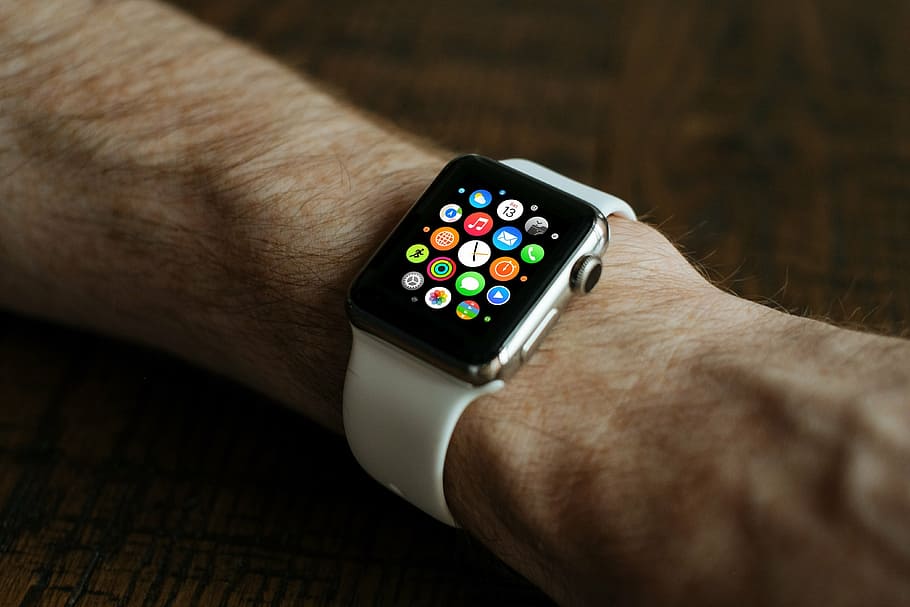
Choosing the truly best smartwatch involves a strategic evaluation of core functionality, moving far beyond simple aesthetic preference to prioritize reliable, actionable performance metrics. The singular most important feature remains the battery, demanding a minimum of 24 to 36 hours of continuous operation complemented by fast-charging capabilities to minimize disruptive downtime.
Essential health monitoring is defined by the precision of the optical heart rate sensor, which must maintain high accuracy even during intense physical activity, along with advanced safety features such as the medically relevant ECG and SpO2 readings. For seamless daily convenience, the device requires robust connectivity, offering reliable, customizable notification filtering and the powerful independence afforded by integrated cellular access for emergency and untethered communication.
Finally, physical utility hinges on practical durability, necessitating a minimum water resistance rating of 5 ATM for swimming and a bright, scratch-resistant OLED display for clear visibility in all lighting conditions. The perfect device functions as a comprehensive, customized extension of the user, requiring flawless integration with existing payment systems and offering deep personalization through a wide ecosystem of swappable straps and versatile watch faces.