
Unlocking Rest: The Data-Driven Sleep Revolution
For many decades, the profound importance of sleep—that critical, restorative third of our entire lives—was largely measured subjectively by individuals. This measurement was merely based on how rested or how groggy they happened to feel upon waking in the morning. However, the last several years have ushered in a significant, accessible technological shift in sleep analysis. This sophisticated analysis is now easily accessible to virtually anyone through the widespread adoption of modern wearable devices.
These sleek, discreet wristbands and smartwatches are no longer simply glorified step counters used for basic activity monitoring. They have successfully evolved into complex, personalized sleep laboratories that operate silently and continuously throughout the night. By intelligently leveraging an array of integrated sensors, these devices meticulously collect a continuous stream of vital biometric data. This continuous data collection moves far beyond simple time measurement to truly and accurately quantify the quality and ultimate efficiency of our nightly rest cycles.
Understanding this crucial data, which includes key metrics like the duration of deep and REM sleep stages, heart rate variability, and even subtle body temperature fluctuations, is absolutely essential. This deep understanding allows users to proactively identify necessary lifestyle adjustments that can drastically improve overall health and critical daytime productivity. The true, inherent power of these sophisticated sleep trackers lies in their ability to translate complex biological processes into easily understandable, immediately actionable insights. This empowers all users to take confident charge of their nocturnal well-being. This detailed guide will meticulously explore the precise science behind how these wearables successfully function. It will detail the key metrics they consistently collect and explain how to accurately interpret the data to foster genuinely restorative, long-term sleep habits.
The Core Technology: How Wearables Track You
Modern wearable devices utilize a precise combination of specialized sensors and complex proprietary algorithms. These systems reliably translate various physiological signals into a detailed, readable map of the user’s entire sleep cycle.
Actigraphy and Movement Sensing
The most fundamental and basic method consistently employed by all wearable devices is called Actigraphy. This process involves the precise measurement of all movement throughout the night using a highly sensitive internal accelerometer sensor. The tiny accelerometer inside the device detects subtle, continuous movements of the wrist. It accurately registers the wearer’s activity level, or their absolute lack thereof, over the entire intended sleeping period.
Periods characterized by minimal, low-level movement usually correlate with the restorative, deeper sleep stages. Conversely, periods of increased physical movement often clearly indicate lighter sleep or brief, unnoticed wakefulness. While Actigraphy is highly effective for initially identifying basic sleep-wake cycles and total sleep duration, this method alone struggles to accurately distinguish between the truly different stages of non-REM sleep. This difficulty is experienced without relying on additional, more complex sensor data.
Optical Heart Rate Monitoring (HRM)
The continuous and precise measurement of heart rate and its minute variation is crucial for accurately determining the key physiological shifts. These vital shifts occur as the user naturally transitions between the different sleep stages throughout the night. Photoplethysmography (PPG) is the optical sensor technology that makes this possible. This sensor uses light to accurately measure changes in the blood flow volume directly under the skin. It provides a reliable, continuous reading of the user’s beats per minute (BPM).
The resting heart rate naturally slows down significantly and steadily during the non-REM, most restorative Deep Sleep stage. The wearable utilizes this observed and sustained decrease as a key physiological marker for reliably detecting the Deep Sleep stage. Tracking the Resting Heart Rate (RHR) trend over a long period is an excellent, non-invasive indicator of overall physical recovery and long-term cardiovascular health. A sudden, unexplained spike in the RHR might immediately suggest an underlying illness or potential physical overtraining.
Heart Rate Variability (HRV) Analysis
HRV is the precise measurement of the millisecond-level variation that exists between successive heartbeats. It is broadly considered one of the most powerful and critical objective indicators of the body’s overall and immediate recovery status. HRV is, in essence, a direct physiological reflection of the delicate balance between the sympathetic (fight-or-flight response) and parasympathetic (rest-and-digest response) branches of the Autonomic Nervous System (ANS).
A consistently higher HRV score generally indicates that the body is well-recovered, completely rested, and adapting effectively to stress. In contrast, a consistently low HRV score suggests that the system is currently under significant strain. This strain could be potentially due to underlying illness, chronic psychological stress, or inadequate, poor-quality sleep. Many advanced and sophisticated wearables now utilize the user’s overnight HRV data as the core, primary component for generating a comprehensive “Readiness” or “Recovery” score the following morning.
The Sleep Cycle: Understanding the Stages

A successful, high-quality night’s rest involves the body cycling sequentially through distinct, crucial stages of sleep. Wearables accurately track both the duration and the precise timing of these different stages. These stages are vital for complete physical and mental restoration and repair.
Non-REM Sleep Stages
Non-REM (Non-Rapid Eye Movement) sleep accounts for the significant majority of the total sleep time during the night. This phase includes the deepest, most physically restorative periods of rest and recovery. Light Sleep is the initial stage, acting as a transitional period as the user moves away from wakefulness. It is the easiest stage to be awakened from, and wearables often show this stage as the largest portion of the total recorded sleep time.
Deep Sleep (also scientifically known as Slow-Wave Sleep or SWS) is the most profoundly physically regenerative stage the body enters. During this vital phase, essential growth hormones are released, and critical physical repair of tissues and muscles occurs. A consistent, long duration of high-quality Deep Sleep is absolutely crucial for complete muscle recovery and for maintaining a strong immune function. Wearable detection of Deep Sleep is typically achieved by a dual combination of the user’s near immobility (as measured by Actigraphy) and a significant, sustained drop in the recorded resting heart rate (as measured by the HRM).
REM Sleep Stage
REM (Rapid Eye Movement) sleep is the unique stage most closely associated with active dreaming. It is also the most critical stage for cognitive restoration and the essential consolidation of memories and learned information. During the REM stage, the overall brain activity levels closely resemble those of a fully awake, alert state. However, the body simultaneously experiences a temporary, protective muscle paralysis known as atonia. This stage is critically important for overall mental health and emotional well-being.
Sufficient duration of REM sleep is essential for enhancing problem-solving skills, supporting effective emotional regulation, and improving complex, long-term memory function. The wearable typically identifies the REM sleep stage through a specific, proprietary combination of low physical movement. This immobility is coupled with high heart rate variability and slightly elevated or notably erratic heart rate patterns. This is in contrast to the profound stillness and slow rate observed during Deep Sleep.
Metrics for Sleep Efficiency
Beyond simply measuring the absolute time spent in each distinct stage, wearables also accurately quantify how efficiently the user successfully utilizes their total time spent in bed. This efficiency measurement provides valuable, actionable feedback directly related to sleep quality. Total Sleep Time (TST) is the literal total duration the user successfully spent asleep. This time is calculated minus any brief, unremembered periods of wakefulness or restless tossing and turning throughout the night.
Sleep Efficiency is a calculated metric. It represents the exact percentage of the total time spent in bed that was actually spent asleep (TST divided by Time in Bed). An efficiency score consistently above 90 percent is generally considered excellent and healthy. Latency to Sleep measures the precise amount of time it takes the user to actually fall asleep after first getting into bed. A very short latency might suggest significant overall fatigue. Conversely, a long latency (consistently over 30 minutes) often points to possible mild insomnia or underlying rest-related anxiety.
Advanced Health Integration and Biometrics
High-end, premium wearables are now incorporating highly sensitive sensors. These sensors move far beyond simple movement tracking. They are capable of providing near medical-grade insights into respiratory health and complex physiological processes specifically while the user is asleep.
Respiratory Rate and Blood Oxygen (SpO2)
Monitoring the user’s subtle breathing patterns and their blood oxygen levels throughout the night offers vital, specific information about potential sleep-related breathing disturbances. SpO2 Monitoring is achieved with the Blood Oxygen saturation sensor. This sensor accurately checks the percentage of oxygen currently carried in the bloodstream. A significant, sustained dip in the SpO2 level during sleep can be a crucial warning indicator of a sleep-related breathing disorder, such as sleep apnea.
Respiratory Rate is measured by the sensor as the total number of breaths successfully taken per minute. A stable, consistently low rate is considered optimal and healthy. Large or sudden, erratic fluctuations in the breathing rate can signal severe disturbances or potential impending illness. The most protective and advanced wearables are often specifically configured to immediately send an alert or generate a specific warning notification. This happens if the user’s SpO2 levels drop below a safe, pre-set threshold for a prolonged period during the monitored night.
Skin Temperature Tracking
Subtle, continuous measurements of skin temperature can provide a reliable, highly accurate early warning system for several issues. This includes early signs of illness, subtle hormonal changes, and the body’s ongoing effort to maintain proper thermal regulation during deep sleep. The wearable first establishes a normal, personalized baseline temperature over the course of several initial nights of wear. Any significant, consistent deviation from this established baseline is then actively highlighted to the user as an important warning flag.
An increase in core body temperature that consistently rises above the established baseline can often be recognized as one of the earliest signs of an incoming infection or illness. This temperature shift often occurs before the user experiences any noticeable or conscious symptoms. For female users, the detailed tracking of basal body temperature changes can be a highly effective, non-invasive method for accurately monitoring and confidently predicting the various phases of the menstrual cycle with impressive consistency.
Environmental and External Factors
The best and most comprehensive sleep analysis systems intelligently integrate data about the user’s environment and their recent external activities. This integration provides a more complete, holistic view of all the factors that are potentially impacting their rest quality. By accurately tracking the user’s daily physical activity and recorded exertion, the wearable can successfully correlate heavy, high-intensity training days with deeper, necessary sleep. It also correlates the need for longer recovery periods. This effectively links daily stress and physical load to nocturnal rest quality.
Some advanced applications allow the user to manually log their specific caffeine or alcohol consumption timing and volume. The system can then show the direct, measurable impact these substances have on the fragmentation of the sleep stages later that night. While not standard across all devices, some smartwatches or accompanying third-party apps can utilize the paired phone’s microphone. This allows them to effectively measure ambient bedroom noise levels, identifying potential external sleep disruptors in the environment.
Interpreting and Utilizing the Data
The sheer volume of complex data that is continuously collected by a wearable device is only truly valuable if the user can accurately interpret the reported scores. They must also successfully translate those sophisticated insights into genuinely effective and sustainable behavioral changes.
Identifying Problem Patterns
The primary and most fundamental goal of all sleep tracking technology is to reliably identify consistent patterns of poor sleep efficiency or stage imbalances. These consistent negative patterns clearly signal a necessary, urgent need for behavioral change. Users should carefully look for patterns that consistently show frequent, brief moments of wakefulness or too many transitions between the defined stages. This “fragmented” sleep pattern is often the root cause of feeling tired and unrested, even after spending a full eight hours in bed.
If the wearable consistently reports a lower than average duration of Deep Sleep (typically defined as less than 15 percent of TST), the user’s physical recovery may be seriously compromised. This deficit usually indicates a specific need for the user to implement a much stricter, more consistent sleep schedule. Many modern trackers assign and grade the consistency of the user’s nightly bedtime and their morning wake-up times. Maintaining a rigid, consistent sleep schedule is widely regarded as the single most effective way to improve long-term sleep quality.
Actionable Insights and Behavioral Change
The wearable should function as a continuous, intelligent feedback loop for the user. It should actively encourage the user to make specific, small changes to their nightly pre-sleep routine to achieve clear, measurable results. The tracker can intelligently suggest an optimal window for going to bed based on the user’s required daily wake-up time and their historical biological rhythms. This suggestion maximizes the user’s chances of successfully hitting the crucial restorative stages.
If the user’s latency to sleep is consistently recorded as being too long, the tracker’s advice might wisely focus on reducing all blue light screen time. It may also suggest performing simple relaxation exercises in the 60 minutes immediately before attempting sleep. This helps the user transition to a sleep state faster. Some advanced systems help the user accurately identify their natural chronotype (for example, whether they are an Early Bird or a Night Owl). This feature allows the user to strategically align their important work and deep rest periods with their body’s innate biological clock.
Data Limitations and Context
It is absolutely essential for all users to recognize that while highly sophisticated, modern wearables are not, and should not be confused with, clinical, medical-grade polysomnography (PSG) devices. They must be used responsibly and carefully. While the accuracy of the sensors is generally very high, particularly during quiet sleep, the wearable’s exact stage estimations are not 100 percent scientifically precise. The collected data should therefore be primarily used to reliably track trends and changes over a long period of time, not used as an absolute medical diagnosis.
The user’s subjective feeling of alertness and feeling rested should always be carefully considered alongside the objective data provided by the device. If the data report looks visually good, but the user still subjectively feels tired, external factors such as diet, high stress, or illness may be the underlying cause. If the wearable consistently identifies severe, worrying issues, such as dangerously low SpO2 levels or extremely fragmented sleep patterns, the user should immediately consult a medical professional for official clinical testing and advice.
By actively and intelligently utilizing the rich, multi-dimensional data provided by modern wearables—ranging from basic movement tracking to complex heart rate variability—individuals are now confidently empowered to gain unprecedented visibility into the quality of their own sleep. This profound visibility is the first, essential step toward making informed, measurable changes that consistently yield tangible, long-term benefits for physical, cognitive, and overall emotional health.
Conclusion: Mastering Nocturnal Recovery
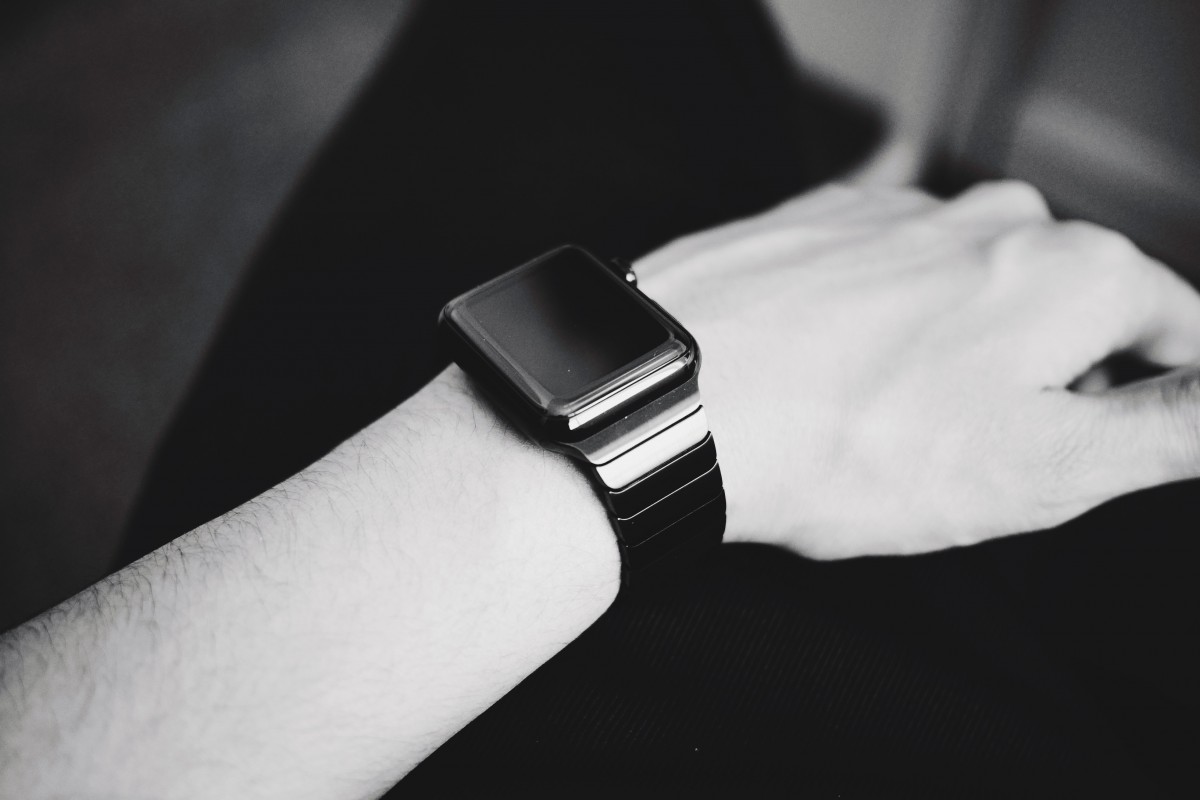
The modern wearable device offers a transformative, unprecedented level of insight into the deeply complex and crucial biological process of human sleep. This sophisticated analysis is achieved primarily through the continuous, integrated operation of the accelerometer for movement tracking and the optical heart rate monitor for monitoring physiological changes. Accurate quantification of the sleep cycle is paramount, allowing users to track the critical duration spent in the physically restorative Deep Sleep phase and the cognitively essential REM Sleep phase. Advanced models enhance this analysis with medically relevant data, utilizing SpO2 sensors to check for blood oxygen drops and specialized temperature sensors to detect subtle physiological changes indicating potential illness. The true utility of the collected sleep data is found in its application, allowing users to identify destructive patterns like sleep fragmentation or chronic sleep deficit that require immediate behavioral adjustment. Effective systems function as a continuous feedback loop, advising the user on optimal bedtime windows and effective wind-down routines to drastically improve overall sleep efficiency. Ultimately, the successful integration of a wearable into a wellness routine provides the objective, scientific data necessary to align the user’s waking life with their body’s innate, powerful need for quality nocturnal recovery.